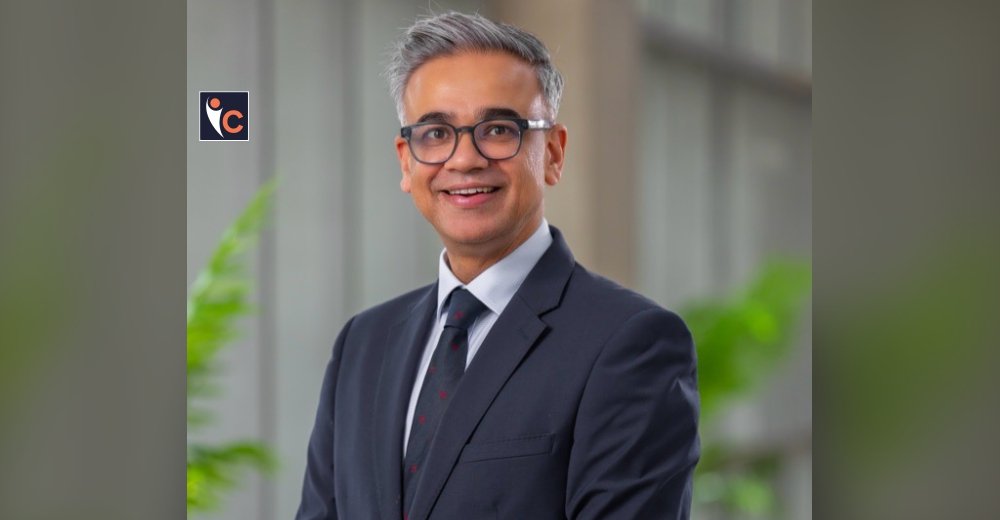
Dr. Omendra Narayan‘s journey into pediatrics is defined by rigorous training, global exposure, and a strong commitment to compassionate care. He began his medical education at the prestigious Grant Medical College and Sir J.J. Group of Hospitals in Mumbai, where working in one of India’s most demanding clinical environments instilled resilience, clinical excellence, and an early understanding that empathy is as vital as any medical intervention.
Drawn to pediatrics for its optimism and long-term impact, Dr. Omendra Narayan found purpose in caring for children, where every intervention helps safeguard a lifetime of potential. Inspired by an exceptional mentor who demonstrated that pediatric care is both a science and an art, he chose the specialty with clarity and conviction. His career later took him to the United Kingdom, where training at leading children’s hospitals in London, Birmingham, and Manchester shaped his expertise and sparked a lasting interest in pediatric pulmonology and sleep medicine.
Today, as Director of Pediatrics at American Hospital Dubai, Dr. Omendra Narayan brings together this international experience and clinical depth to advance innovative, patient-centered pediatric care, with a particular focus on respiratory and sleep-related disorders in children.
Let’s delve into the interview details below!
As the Director of Pediatrics at American Hospital Dubai, what are your key responsibilities, and what does a typical day look like for you?
My days are never “typical”—but they are always rewarding. As a Director, I balance the roles of clinician, leader, and occasional referee for differing opinions (and toddler tantrums, sometimes from parents!).
I oversee a multidisciplinary team delivering world-class pediatric care, ensuring our operations meet the global benchmarks set by the American Hospital Dubai. Roughly half my time is spent in clinics and inpatient wards, managing complex respiratory and sleep disorders; the rest goes into mentoring, research planning, and strategic development.
On average, my department handles over 4000 pediatric consultations a month, with over 99% patient satisfaction rate—a figure I’m very proud of. Twice weekly, I hold mentoring sessions for younger physicians and fellows, focusing on evidence-based practice and compassionate communication. It’s this mix of science and soul that defines our department’s rhythm.
How is your team leveraging innovation and technology to improve pediatric care and outcomes at American Hospital Dubai?
We’ve moved decisively into the era of precision pediatrics. Our pediatric pulmonology and sleep labs are equipped with advanced AI-assisted lung function testing and next-generation sleep study systems that can analyze a child’s oxygen and sleep patterns more accurately than ever.
For example, our AI-supported inhalers monitoring allows us to detect early warning signs of poor adherence and asthma attacks. Remote sleep monitoring prevents flare-ups before they become emergencies—reducing hospital admissions by nearly 80% over the past few years.
We’re also pioneering the use of minimally invasive robotic surgeries, reducing recovery time for complex pediatric procedures by 40%. And yes, the robots are impressive—but it’s still the human touch at the bedside that makes the difference.
What are the biggest challenges currently facing pediatric healthcare in the Middle East, and how is your organization addressing them?
The Middle East is facing a rising tide of pediatric respiratory illnesses—partly due to changing environments, urban pollution, and lifestyle habits. Another silent challenge is pediatric sleep disorders, which remain grossly underdiagnosed despite their impact on development and learning.
At American Hospital Dubai, we’ve responded by building one of the region’s most comprehensive Pediatric Sleep and Pulmonology programs. This includes specialized diagnostic pathways and community awareness initiatives that teach families why sleep quality matters as much as nutrition.
Our outreach programs have reached over 5,000 schoolchildren through lung health and sleep hygiene campaigns. Preventive medicine is the most cost-effective medicine we have. We teach parents that a good night’s sleep may be the best prescription they’ll ever fill.
How do you foster a culture of collaboration, innovation, and excellence among your pediatric team?
Leadership, for me, is about harmony. I see myself as the bridge between clinical practice and academic rigor. Drawing on my past experience as Associate Dean at Manchester Medical School and other senior leadership roles in RCPCH, UK I ensure that research and education remain embedded in our daily routines.
We hold monthly departmental audits and quarterly quality-improvement projects. Every year, our team contributes to multi-center research studies on conditions such as Spinal Muscular Atrophy and Duchenne Muscular Dystrophy—areas where the UAE is now emerging as a recognized contributor to international pediatric data.
Being a member of the Mayo Clinic Care Network allows us to collaborate with some of the best institutions globally, while still tailoring our protocols to local needs. The mix of international knowledge and regional perspective—that’s our recipe for excellence.
In your view, what does truly patient-centric pediatric care look like, and how do you ensure this approach is implemented?
True patient-centered care begins by seeing the child as a person, not a diagnosis—and the family as a partner, not a bystander. Sometimes, the smallest clues—a child’s breathing pattern during sleep or their energy at play—tell you more than any test result.
At American Hospital Dubai, we’ve created what I call a “medical home” model. From the initial consultation to long-term management, every child has a continuity of care team that includes doctors, respiratory therapists, dietitians, and psychologists. This approach has improved long-term adherence to therapy by over 85% in chronic respiratory cases.
We also invest time in ensuring that every parent walks out not just with a prescription, but with understanding and confidence. In pediatrics, reassurance is sometimes the best medicine of all.
Looking ahead to 2026 and beyond, what trends or advancements do you believe will redefine pediatric healthcare in the region?
The next decade will belong to Genomics and Personalized Medicine. Soon, we’ll predict a child’s risk of asthma, allergies, or sleep disorders simply from their genetic signature—and intervene before symptoms even appear.
I believe the Middle East has the potential to lead this revolution, not just follow it. We’re already integrating AI-driven data analysis into pediatric research, and with the right investment in regional clinical trials, Dubai could become a global hub for pediatric innovation.
My personal wish? More protected time for researchers and clinicians to think, create, and collaborate. After all, innovation rarely happens between back-to-back clinics!
Finally, what advice would you give to young healthcare professionals aspiring to make a meaningful impact in pediatrics or healthcare leadership?
My advice is simple but hard-earned—build a borderless career. My medical journey has taken me from the patient-packed wards of Mumbai to the academic corridors of Manchester and now to Dubai’s state-of-the-art pediatric units. Each stage taught me something unique: resilience, precision, and vision.
Never stop learning and never lose your curiosity. Medicine evolves daily, and humility keeps you relevant. Engage with international bodies like the RCPCH, attend teaching sessions, and most importantly—stay connected with your patients and students. They’re your best teachers.
And remember, leadership isn’t about titles—it’s about making the room better because you’re in it. If you can do that, the rest will follow.