Modern Care Strategies
The human brain remains one of the most complex and fascinating systems in the body. For decades, conditions affecting the brain and nervous system left patients and families with limited treatment options. Doctors could manage symptoms to a point, but genuine progress felt out of reach. That reality has changed, and the change has been significant. Neurological disorders treatment today looks nothing like it did even twenty years ago. The focus has shifted from simply getting by to actually improving how people live.
This matters because these conditions touch an enormous number of people. They affect how someone walks, speaks, remembers, and feels. They shape relationships, careers, and daily routines. When care improves, real lives improve alongside it.
Personalized Approaches to Neurological Care
For a long time, conditions of the brain and nervous system were treated in broad strokes. A diagnosis came with a standard plan, and that plan was applied more or less the same way across the board. The problem with that approach is that two people with the same diagnosis can experience it in completely different ways.
Medical thinking has moved on from that. Neurological disorders treatment now starts with the individual. Doctors ask different questions, look at different factors, and build plans that reflect what a specific person is actually going through. That shift alone has changed outcomes for many patients.
Impact of Emerging Technologies
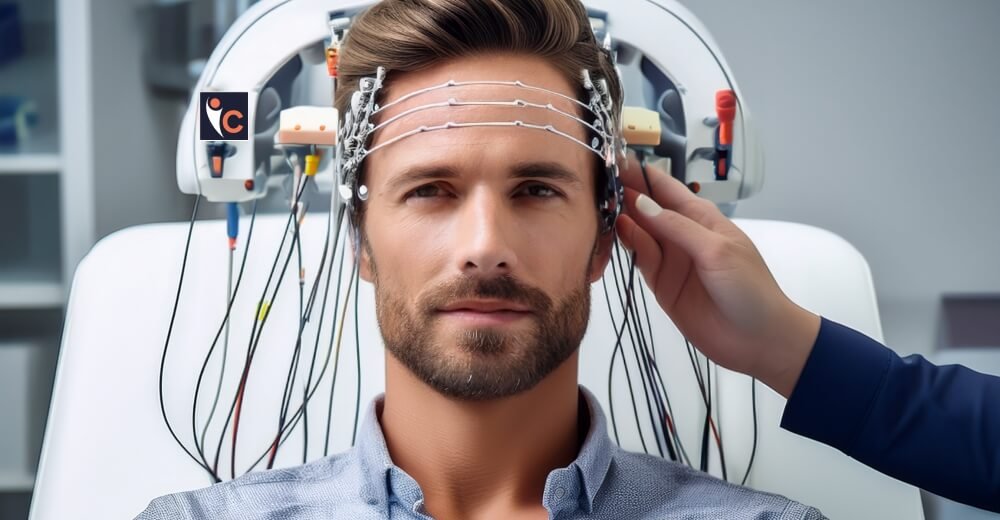
Technology has quietly transformed what doctors can see and do. Brain imaging has become sharper and more detailed, allowing medical teams to detect changes that would have gone unnoticed in earlier scans. Catching something early almost always means more options and better outcomes.
Outside the hospital, small wearable devices now track brain signals, movement patterns, and other health markers throughout the day. Patients go about their normal lives while the device quietly collects information. That data gives doctors a far more accurate picture of what is happening than a short clinic visit ever could.
Preventive Approach to Neurological Health Management
Older models of care were largely reactive. Something went wrong, and then doctors responded. Modern neurological disorders treatment pushes against that pattern. The aim now is to get ahead of problems, slow down how conditions develop, and protect function before it is lost.
This kind of forward-thinking care draws on a wider understanding of what shapes brain health. Sleep, stress, physical activity, diet, and social connection all play a role. Care teams today reflect that understanding. A patient might work with a neurologist, a physiotherapist, a counselor, and a nutritionist, all coordinating around the same goal.
Strengthening Recovery Through Rehabilitation
Diagnosis opens a long road. What comes after the rehabilitation, the adjustments, and the daily effort is where most of the work actually happens. Modern recovery programs are built around something that science has confirmed in recent decades: the brain can change. It can form new pathways and adapt to injury or illness in ways that were once thought impossible.
Speech therapy, movement training, memory exercises and emotional support all form part of comprehensive neurological disorders treatment today. These programs have also become more accessible. Community clinics and online platforms mean that people in smaller towns and rural areas are no longer excluded from quality rehabilitation.
Addressing the Emotional Dimensions
It took the medical world longer than it should have to acknowledge this, but it is now accepted: living with a brain or nerve condition takes an emotional toll. Anxiety and depression are common among people navigating these diagnoses, and they do not resolve on their own.
Good care addresses this directly. Counseling, peer support groups, and mental health services are treated as central parts of the care plan, not as afterthoughts. When a person feels supported emotionally, they cope better, engage more fully with their treatment, and generally achieve better outcomes.
Scientific Innovation of Neurological Treatment
Every meaningful advance in patient care begins somewhere in a laboratory or a clinical trial. Scientists are currently investigating the genetic roots of various brain conditions, testing therapies that target causes rather than symptoms, and refining techniques that stimulate specific areas of the brain with remarkable precision.
Some of these approaches are already reaching patients. Others are still being refined. But the direction of neurological disorders treatment is clear: care is becoming more targeted, more personalized, and more effective with each passing year.
Looking Ahead
The progress in neurological disorders treatment carries real significance for real people. Someone who receives a difficult diagnosis today has access to care that is more capable, more thoughtful, and more humane than what was available before.
That does not mean every answer has been found. There is still much to learn and much to improve. But the momentum is real, and for patients and families facing conditions of the brain and nervous system, that momentum translates into something they can genuinely feel: hope grounded in real possibility.