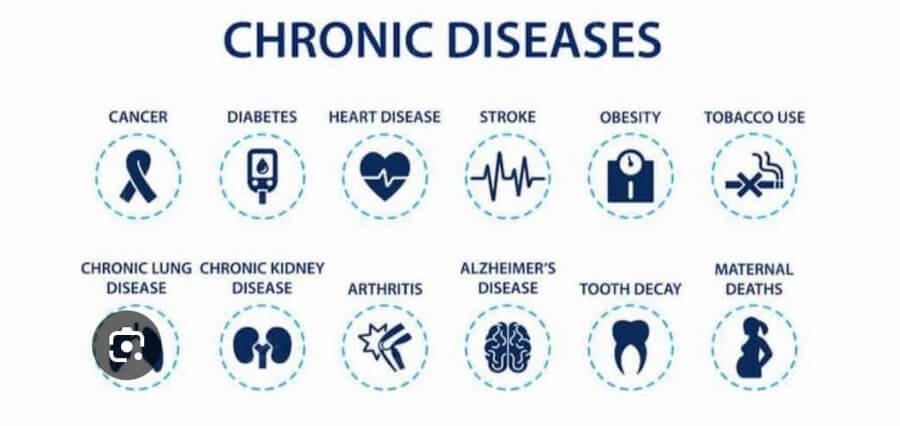
Medical experts are calling for greater public awareness of chronic kidney disease (CKD), warning that the condition often progresses silently and remains undiagnosed until significant kidney damage has occurred. As the prevalence of diabetes, hypertension and obesity continues to rise, Dr. Ch. Sashidhar and Dr. Nabeela Fatima emphasize that early detection, routine screening and preventive lifestyle measures are critical to reducing the long-term impact of kidney disease.
Chronic Kidney Disease is a progressive condition in which the kidneys gradually lose their ability to remove waste products and excess fluids from the bloodstream. Left untreated, CKD can lead to kidney failure, cardiovascular complications and other serious health conditions, placing a substantial burden on both patients and healthcare systems.
Growing Need for Public Awareness
Healthcare professionals note that CKD has become one of the leading chronic diseases worldwide, yet awareness of the condition remains relatively low compared to other non-communicable diseases.
Because the disease often develops without noticeable symptoms during its early stages, many individuals are diagnosed only after kidney function has declined significantly. Dr. Ch. Sashidhar and Dr. Nabeela Fatima note that increasing public awareness can encourage timely screening among high-risk populations, allowing earlier intervention and significantly improving long-term health outcomes.
Who Is Most at Risk?
Doctors advise that certain groups are at a significantly higher risk of developing Chronic Kidney Disease and should undergo regular health assessments.
Individuals living with diabetes or high blood pressure are among the most vulnerable, as both conditions can progressively damage the kidneys over time. People with cardiovascular disease, obesity, a family history of kidney disease, or those aged over 60 years also face an increased risk.
In addition, long-term tobacco use and prolonged consumption of non-steroidal anti-inflammatory drugs (NSAIDs) without medical supervision may contribute to declining kidney function.
Recognising the Warning Signs
One of the greatest challenges associated with CKD is the absence of symptoms during its early stages.
As kidney function deteriorates, patients may experience swelling in the feet, ankles or face, persistent fatigue, reduced appetite, nausea, vomiting, muscle cramps, itching, and uncontrolled high blood pressure. Changes in urinary habits—including altered urine colour, reduced or increased frequency, foamy urine caused by excess protein, or the presence of blood in the urine, may also indicate underlying kidney disease and should be evaluated promptly by a healthcare professional.
Prevention Through Healthy Lifestyle Choices
Medical professionals emphasize that many cases of chronic kidney disease can be delayed or prevented through proactive health management.
Maintaining healthy blood sugar levels and controlling blood pressure remain among the most effective strategies for protecting kidney function. Experts also recommend following a balanced diet with reduced salt intake, engaging in regular physical activity, maintaining a healthy body weight, staying adequately hydrated unless otherwise advised by a physician, avoiding smoking, limiting alcohol consumption, and using pain medications only under appropriate medical guidance.
According to Dr. Ch. Sashidhar and Dr. Nabeela Fatima, these preventive measures not only safeguard kidney health but also help lower the risk of several other chronic diseases that commonly coexist with CKD.
Importance of Regular Screening
Routine screening plays a vital role in identifying kidney disease before irreversible damage occurs.
Healthcare professionals recommend that individuals at increased risk undergo regular blood pressure monitoring, blood glucose testing, including HbA1c where appropriate serum creatinine testing with estimated glomerular filtration rate (eGFR), and urine albumin-to-creatinine ratio (ACR) or urine protein testing.
Early diagnosis enables healthcare providers to initiate appropriate treatment, slow disease progression and reduce the likelihood of kidney failure and associated cardiovascular complications.
A Public Health Priority
Commenting on the importance of awareness, Dr. Ch. Sashidhar and Dr. Nabeela Fatima said that healthy kidneys are fundamental to overall well-being and quality of life. Since Chronic Kidney Disease frequently progresses without noticeable symptoms, they emphasized that regular health check-ups should become a routine part of preventive healthcare, particularly for individuals living with diabetes, hypertension and other recognized risk factors.
They further highlighted that timely diagnosis, sustained lifestyle modifications and appropriate medical management can significantly preserve kidney function, improve quality of life and reduce the need for advanced treatments such as dialysis or kidney transplantation.
By promoting awareness, encouraging routine screening and supporting healthier lifestyles, healthcare professionals believe the burden of chronic kidney disease can be substantially reduced while improving outcomes for millions of individuals at risk.
Disclaimer :
This article is a work of original content created for public relations and informational purposes only. It may be published across multiple digital platforms with the full knowledge and consent of the author/publisher. All images, logos, and referenced names are the property of their respective owners and used here solely for illustrative or informational purposes. Unauthorized reproduction, distribution, or modification of this article without prior written permission from the original publisher is strictly prohibited. Any resemblance to other content is purely coincidental or used under fair use policy with proper attribution.