Advanced Surgical Techniques
Blood vessels run through every part of the body, carrying the oxygen and nutrients that keep every organ and tissue alive. When something goes wrong within that system, a blockage, a weakening of the vessel wall, or a narrowing that restricts blood flow, the consequences can be serious and sometimes life-threatening. Vascular surgery has always been the specialty tasked with addressing these conditions, but the way it does so today looks genuinely different from even a generation ago. The advances made over recent decades have changed what is possible for patients, expanded who can safely receive treatment, and improved outcomes in ways that were not achievable through earlier approaches.
Reducing Surgical Impact while Improving Patient Care
For much of its history, vascular surgery required significant open operations, large incisions, prolonged operative times, and recoveries measured in weeks rather than days. These procedures worked, but they put enormous physical demands on the body, demands that many patients, particularly older ones or those already managing other health conditions, simply could not handle safely.
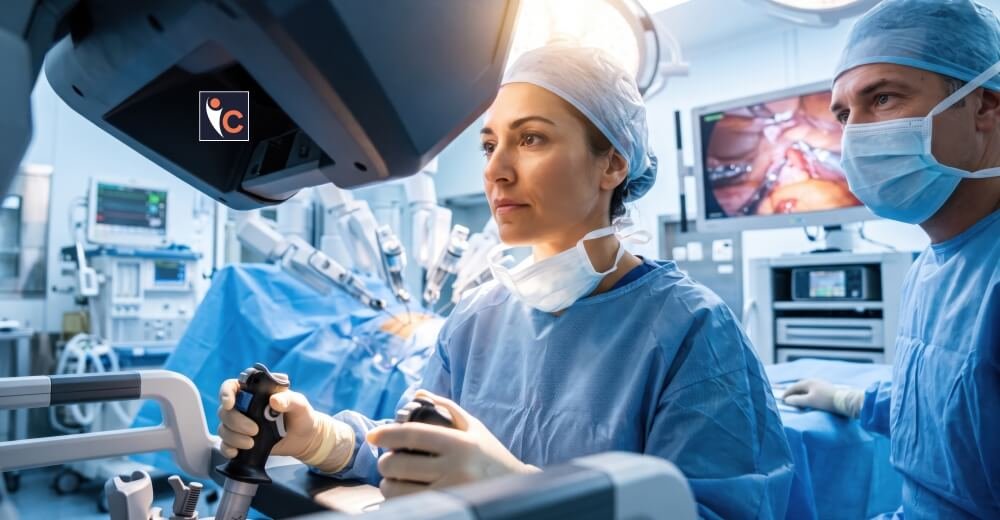
The move toward minimally invasive techniques has changed that picture considerably. Rather than opening up a large surgical area, surgeons now work through entry points no bigger than a small puncture, guiding catheters and wires into position using live imaging. Patients come through the experience with far less physical strain, and treatment has become a realistic option for people who would never have been considered suitable candidates before.
Advanced Imaging is Transforming Surgical Precision
The quality of imaging available to vascular surgeons today has transformed how procedures are planned and performed. Real-time imaging guidance allows surgeons to navigate within blood vessels with a level of precision that earlier generations of practitioners could not approach. Before an operation begins, detailed imaging provides a complete picture of the vascular anatomy involved, allowing the surgical approach to be planned with a specificity that reduces intraoperative surprises and improves the accuracy of what gets done.
Vascular surgery that is guided by high-quality imaging produces more predictable results and allows interventions in locations that would previously have been considered too complex or too risky to approach surgically.
The Rise of Catheter-Based Vascular Interventions
Endovascular techniques and procedures performed from within the blood vessel itself, rather than through open surgical exposure, have become a central part of how vascular surgery addresses a wide range of conditions. Stents, grafts, and other devices delivered through catheters can now treat conditions that once had very limited options or required operations that carried significant risk.
For patients who present with conditions affecting major blood vessels, the availability of endovascular options often means a treatment path that their overall health would not have allowed them to safely take a generation ago. The ability to offer effective treatment to higher-risk patients without subjecting them to the full physiological stress of open surgery is one of the most practically significant contributions these techniques have made to patient care.
Planning Ahead for Better Patient Outcomes
Surgical outcomes in vascular surgery are not determined solely by what happens in the operating room. The planning that precedes an operation shapes what is achievable within it. Detailed preoperative assessment, careful selection of the appropriate technique, and thorough evaluation of how a patient’s overall health may affect their response to surgery all contribute to results that hold up beyond the immediate postoperative period.
Teams that invest seriously in this planning process consistently achieve better outcomes than those that treat surgical planning as a routine step rather than a critical one. The complexity of vascular conditions means that the details matter enormously, and the surgeons and teams who attend to those details carefully produce results that reflect that investment.
Long-Term Care is Essential to Lasting Results
Vascular surgery does not end when the operation is complete. Vascular conditions require ongoing monitoring and management to ensure that the benefits of surgical treatment are maintained over time and that new problems are identified and addressed before they become serious.
Long-term follow-up, lifestyle modification support, and the management of underlying risk factors are all part of the comprehensive care that produces durable outcomes rather than simply good short-term results. Patients who remain engaged with their care over time tend to maintain the benefits of surgery far more effectively than those who treat the operation as the conclusion of the process rather than one step within it.
Looking Ahead
The trajectory of vascular surgery points consistently toward treatments that are more precise, less physically demanding for patients, and more accessible to a broader range of people. Ongoing advances in imaging, device technology, and surgical technique continue to expand what is achievable, addressing conditions more effectively and making treatment available to patients who previously had nowhere to turn.
The patients who will benefit from these advances in the years ahead are already being served by the foundation that current progress is building, a foundation of better outcomes, broader access, and a specialty committed to continuous improvement in how it cares for the people depending on it.