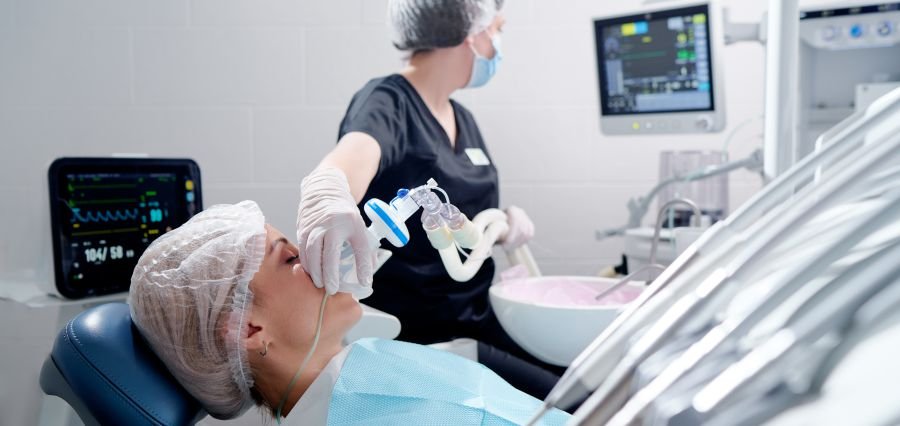
Whenever a patient undergoes an operation, recovers in an intensive care unit or receives pain relief in childbirth, something unseen is doing vital work behind the scenes. It flows silently through pipelines built into hospital walls, travels in pressurised cylinders to remote clinics, and keeps patients breathing, comfortable, and alive. Most people never think about it. But without it, modern healthcare would simply not function.
That invisible lifeline is medical gas. What is medical gas? It describes gases that have been specially prepared for use in health care for patient treatment, pain management, breathing support, surgery and other clinical procedures. It is one of the most essential yet least discussed components of any healthcare facility.
From the moment a patient arrives at a hospital to the moment they leave, medical gases are present at nearly every stage of their care. Understanding what is medical gas and how it works helps patients, caregivers, and healthcare professionals appreciate the infrastructure that supports every clinical outcome.
The Main Types and Uses of Medical Gases
Understanding the types and uses of medical gases starts with the most familiar: oxygen.
Oxygen
Oxygen is the most widely used medical gas in any healthcare setting. It helps people who cannot get enough oxygen from the air, because of respiratory conditions or surgery. Neonatal units use it to support premature babies. Emergency departments use it for patients in shock. Anaesthesia departments blend it with other agents to keep patients safely unconscious during procedures.
Nitrous Oxide
Nitrous oxide, sometimes called laughing gas, is one of the types and uses of medical gases that most people encounter in dental or maternity settings. It provides effective pain relief and mild sedation without putting the patient fully to sleep. In obstetric care, it gives women a degree of pain control during labour while keeping them conscious and in control of their breathing.
Carbon Dioxide
Carbon dioxide has become a standard part of minimally invasive surgery. Doctors fill the abdomen of the patient with carbon dioxide in laparoscopy, which provides space for them to operate without having to make major cuts. This technique alone has revolutionized the results of surgery for millions of people.
Medical Air
Medical air is atmospheric air that has been filtered, dried, and cleaned for clinical purposes. Ventilators and anesthesia machines use medical air in order to provide respiratory assistance without using pure oxygen, which may be harmful when inhaled in large amounts. Understanding what is medical gas in respiratory care requires understanding the role medical air plays alongside oxygen.
Nitrous Oxide and Oxygen Mixtures
Pre-mixed combinations of nitrous oxide and oxygen, often supplied in a single cylinder, allow paramedics and emergency teams to administer pain relief quickly and safely outside of a hospital. This is one of the most practical types and uses of medical gases in pre-hospital emergency care.
Helium
Helium finds use in respiratory medicine, particularly for patients with severe airway obstruction. Because helium is less dense than air, a helium-oxygen mixture flows more easily through narrowed airways, reducing the effort required to breathe.
Nitrogen
Medical-grade nitrogen powers surgical tools that require compressed gas rather than electricity. Orthopaedic drills and saws often run on nitrogen in operating theatres, making it an essential part of surgical infrastructure even though it never directly enters a patient’s body.
How Medical Gases Are Delivered Safely
What is medical gas safety without a reliable delivery system? Hospitals use two main methods to get gases to the point of care.
Piped medical gas systems run through the walls, floors, and ceilings of a hospital, connecting a central supply to outlets in every ward, operating theatre, and intensive care unit. Each outlet is colour-coded and pin-indexed to prevent the wrong gas from being connected to the wrong equipment. An outlet for oxygen will only accept an oxygen connector. This engineering safeguard prevents potentially fatal errors.
Portables can be used where there are no piping arrangements, for example in ambulances, clinics, and at the household level. Portables are also highly color coded, and the healthcare practitioners are well trained on their use and storage.
Both types of systems are to be maintained, inspected, and tested regularly. Understanding what is medical gas also means knowing how these gases are stored, transported, and delivered safely to patients and medical equipment. Hospitals must also maintain backup supplies and emergency protocols in case of supply failure. The integrity of a medical gas system is treated as a patient safety issue at the highest level of clinical governance.
Why Understanding Medical Gas Matters
Knowing what is medical gas is not just a technical concern for engineers and pharmacists. Nurses, paramedics, and physicians work with these gases every day, and errors in their use can have serious consequences. The misadministration of oxygen in the wrong concentration or wrong labeling of a cylinder can result in injuries.
The types and uses of medical gases are continuously increasing due to the developments in medicine. There is research being conducted on the therapeutic applications of gases such as hydrogen and xenon. Xenon, in particular, shows promise as an anaesthetic agent with fewer side effects than current options, and it may eventually join the standard list of clinical gases used in operating theatres around the world.
Conclusion: The Gas Behind Every Recovery
What is medical gas ultimately comes down to this: it is one of the foundations of modern clinical care. Every surgical procedure, every patient on a ventilator, every premature baby in a neonatal unit depends on gases that are manufactured, tested, and delivered with extraordinary precision. The types and uses of medical gases span every clinical specialty and touch every stage of patient care. For a component of healthcare that operates largely out of sight, its impact is anything but invisible.