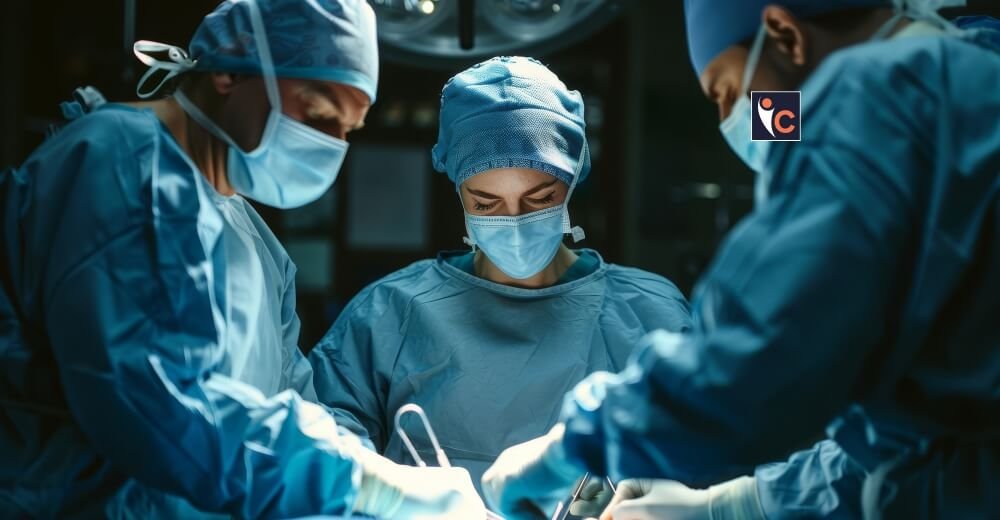
Transforming Surgical Care
The image of surgery that most people carry large incisions, long hospital stays, and weeks of recovery describes a reality that is becoming increasingly rare in well-equipped modern surgical environments. The field has shifted considerably over the past two decades, driven by advances in technique, technology, and the clinical understanding of what patients actually need from their surgical care. At the center of this shift is the advanced general surgeon, a specialist whose scope, skill set, and approach to patient care have evolved well beyond what traditional definitions of general surgery once covered.
What General Surgery Has Become
The term general surgery can be misleading to patients who encounter it for the first time. It might suggest breadth without depth, a jack of all trades rather than a master of any. In reality, an advanced general surgeon today brings a combination of broad surgical capability and genuine subspecialty expertise that allows them to manage a wide range of complex conditions with the kind of clinical depth that specialized training produces.
This includes conditions affecting the digestive system, the abdominal wall, the liver and biliary tract, the thyroid and parathyroid glands, the breast, and soft tissue structures throughout the body. The range is genuinely broad, but it is matched by a depth of training that allows each of these areas to be approached with the precision and clinical judgment that complex surgical conditions require.
The Shift Toward Minimally Invasive Approaches
One of the most significant changes in what an advanced general surgeon does day to day is the shift toward minimally invasive surgical techniques. Where operations once required large incisions to give the surgeon direct visual and physical access to the operative field, advanced laparoscopic and robotic approaches now allow many of those same operations to be completed through entry points measured in millimeters rather than centimeters.
The benefits to patients are significant and well documented. Recovery times that were once measured in weeks have shortened to days for many procedures. Pain following surgery is reduced when tissue disruption is minimal. The risk of certain complications, wound infections, hernias at incision sites, and excessive blood loss decreases when the physical demands of surgery on the body are reduced. For patients, this means returning to normal life faster and with less of the physical burden that surgery once inevitably carried.
Robotic Surgery and What It Adds
Robotic surgical platforms have become an increasingly important part of what an advanced general surgeon has available. These systems provide enhanced visualization, a magnified, high-definition view of the operative field, and a range of instrument motion that exceeds what the human hand can achieve in confined anatomical spaces. The result is greater precision in the most technically demanding parts of complex procedures.
It is important for patients to understand that robotic surgery is not autonomous. The surgeon controls every movement. The robotic platform is a tool that amplifies the surgeon’s capability, extending their reach, refining their precision, and reducing fatigue during long and technically demanding operations. The judgment, the decision-making, and the clinical responsibility remain entirely with the surgeon at the controls.
The Importance of the Preoperative Relationship
Advanced general surgeon care begins well before any patient enters an operating room. The consultation that precedes surgery, the assessment of the patient’s condition, the explanation of the options available, the discussion of realistic outcomes and the risks that accompany them, is where the surgical relationship is established and where patients develop the understanding they need to make genuinely informed decisions about their care.
Surgeons who invest time and honesty in this preoperative relationship tend to see better postoperative outcomes, not because the surgery itself is different but because patients who understand what to expect and what is expected of them recover more actively and more effectively than those who felt rushed through the consent process.
Recovery and What Happens After the Operation
The operation itself is one part of a surgical episode. What happens after is equally important in determining the final outcome. An advanced general surgeon who supports patients through recovery with clear guidance, appropriate follow-up, and genuine responsiveness to questions and concerns is completing the surgical care rather than simply ending it at the point of closure.
Recovery guidance that is specific, honest, and tailored to the individual patient’s operation and circumstances helps people recover faster and return to their normal activities with greater confidence than generic postoperative advice tends to provide.
Lookind Ahead
The field that an advanced general surgeon practices within is not standing still. New techniques continue to emerge. Robotic platforms continue to develop. The evidence base for different approaches to common surgical problems keeps growing and being refined. Surgeons who remain engaged with current evidence, who attend specialty meetings, participate in research, and commit to learning throughout their career, bring that current knowledge into the care they provide every patient they treat.
For patients, that commitment to continued learning means that the surgical care they receive reflects the best available understanding of how their condition should be managed, not what was standard practice a decade ago.