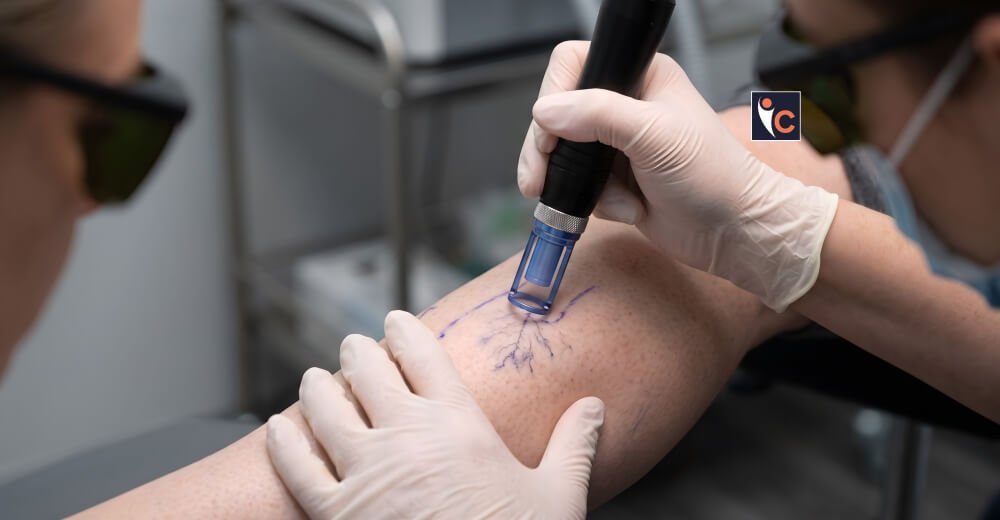
Improving Vascular Outcomes
Vascular medicine addresses some of the most serious and life-altering conditions that patients face: diseases affecting the arteries and veins that carry blood through the body, conditions that can threaten limbs, organs, and life itself when they are not managed effectively. The way these conditions are treated today looks genuinely different from the approach that defined vascular care even a decade ago. The change has been driven by vascular healthcare innovation advances in technology, technique, and clinical understanding that have expanded what is possible for patients and shifted the standard of care in ways that are improving outcomes across the full spectrum of vascular disease.
Why Innovation Matters in Vascular Care
The cardiovascular system is central to everything the body does. Blood vessels supply oxygen and nutrients to the brain, the heart, the kidneys, the legs, and every other organ and structure that keeps a person alive and functional. When disease compromises that supply – through blockages, weakening of vessel walls, or abnormal blood flow – the consequences can be rapid, severe, and difficult to reverse if not addressed promptly and effectively.
Vascular healthcare innovation matters so much precisely because the stakes in this specialty are so high. Advances that allow conditions to be identified earlier, treated more precisely, and managed more effectively over the long term translate directly into lives preserved, limbs saved, and serious complications prevented. The pressure to keep improving is built into the nature of the conditions being treated.
Advancing Diagnostic Precision Through Imaging
Vascular healthcare innovation has transformed not just how vascular conditions are treated but how they are seen, understood, and monitored. Advanced imaging technologies that provide detailed, three-dimensional views of vascular anatomy – before, during, and after procedures have changed what clinical teams can know about a patient’s condition and how precisely they can plan and execute the interventions designed to address it.
Intraoperative imaging that allows the surgical team to verify results in real time – confirming that a stent is properly positioned, that blood flow has been restored as intended, or that a repair is holding as planned – has reduced the incidence of immediate procedural complications and improved the durability of treatment results. Better imaging is better information, and better information produces better clinical decisions.
Improving Long-Term Results Through Drug and Device Innovation
The tools available to vascular specialists have improved significantly through sustained investment in device and drug development. Stents designed to maintain vessel patency more effectively over the long term, graft materials that better resist the biological processes that can compromise their function, and medications that more precisely manage the clotting, inflammatory, and metabolic factors driving vascular disease progression have all contributed to better long-term outcomes for patients treated for vascular conditions.
Vascular healthcare innovation in the device and pharmaceutical space is ongoing – with research into new materials, new drug delivery mechanisms, and new approaches to preventing restenosis and disease progression that remain challenges in long-term vascular care. Each advance that extends the durability of treatment results reduces the burden of repeat interventions and maintains patient quality of life for longer periods.
Shifting Vascular Care Toward Prevention and Early Detection
Vascular healthcare innovation is increasingly extending upstream – toward the identification of vascular disease at earlier stages and the prevention of progression in patients identified as high risk before serious complications develop. Screening programs, risk stratification tools, and the management of vascular risk factors through increasingly targeted pharmaceutical and lifestyle interventions are all areas where innovation is changing the trajectory of vascular disease for growing numbers of patients.
Catching arterial disease before it causes a limb-threatening event, identifying aortic pathology before it reaches a dangerous size, and managing venous disease before it progresses to ulceration and chronic disability are all outcomes that earlier detection and more effective prevention make achievable. The shift from reactive treatment to proactive management represents one of the most important directions in which vascular care is currently evolving.
The Road Ahead
The advances already produced by vascular healthcare innovation have meaningfully improved what vascular medicine can offer patients, but they represent a foundation for continued progress rather than a ceiling on what is possible. Research into new treatment approaches, continued refinement of existing techniques, and the integration of digital and data tools into vascular care delivery are all advancing simultaneously.
The patients who will benefit from the next generation of vascular care advances are already in vascular clinics today – and the innovation happening right now is building toward outcomes that will look as different from the current standard as today’s care looks from what was possible a generation ago.