Prime Highlights:
- Jordan inks $187 million foreign investment agreements to upgrade healthcare facilities.
- Projects involve world-class hospital in Madaba and digitization of military medical services.
Key Facts:
- 260-bed government hospital will be constructed with expansion capability to 360 beds.
- Royal Medical Services digitization revolution to strengthen healthcare provision.
Key Background
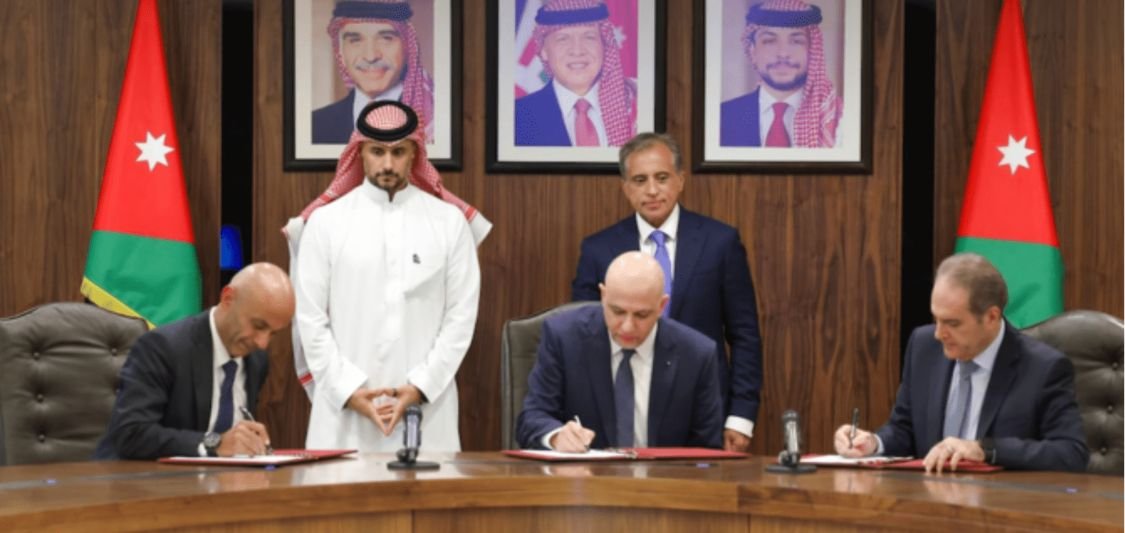
As part of an ambitious strategic push to strengthen its healthcare infrastructure, Jordan signed two large foreign investment deals totaling $187 million with Saudi Prince Khaled bin Alwaleed-headed KBW Investments. The two deals were signed before Jordan’s Prime Minister Jafar Hassan, an indication of the strong government support for rehauling the public healthcare system through public-private partnership.
The basis of the agreement is the construction of the new Madaba Government Hospital, which is a state hospital aimed at addressing increasing healthcare needs in the Governorate of Madaba. It will have 260 inpatient beds with room for expansion to 360. It will be spread over a 54,000 square meter space across 13 floors and will feature eight operating theaters, 60 outpatient clinics, ICU units, emergency care, dialysis units, and cutting-edge diagnostic and surgical rooms. It will also feature 830 car parking places to enhance convenience for patients as well as staff members.
The second is a deal on digitalization. The Royal Medical Services of the Jordanian Armed Forces will partner with Farah Jordan Smart Cities Company, a company which KBW Investments owns 49%, to digitalize its healthcare system. The project aims at deploying cutting-edge medical technologies and smart systems that will improve the efficiency of services and the quality of patient care in military hospitals.
Such investment contracts are the inaugural ones of this sort under Jordan Investment Fund Law and are a milestone towards Jordan’s transition towards the use of private capital for national development. The ventures shall be operational in three years, and the government looks forward to applying similar models of investment in other areas like transport and wider public infrastructure.
Through these agreements, Jordan further wants to not only enhance the provision of healthcare but also spur economic growth and employment generation within the region.