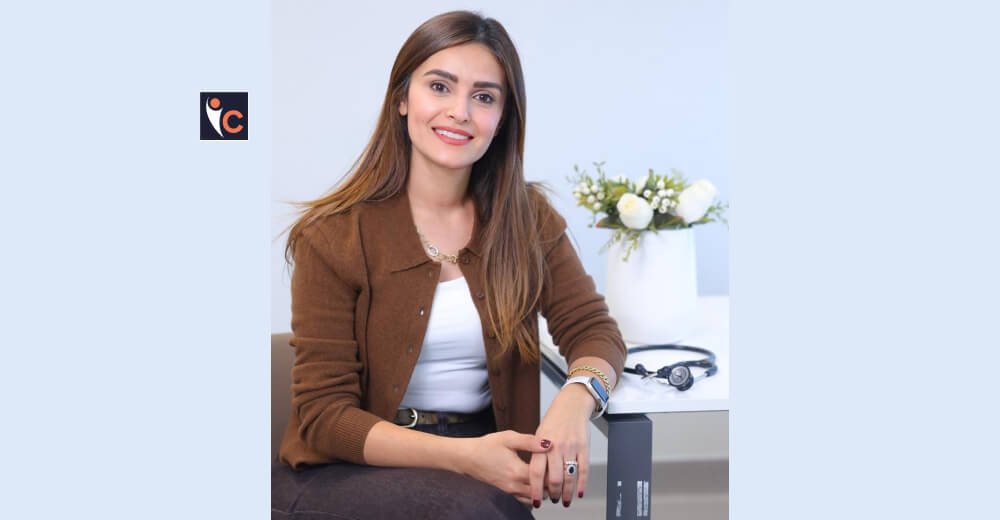
Dr. Amal Damrah, Pediatrician and Neonatologist at Abdali Hospital, was drawn to pediatrics from early in her medical training because of the unique responsibility it carries, caring not only for young patients, but also for families during some of the most vulnerable moments of their lives. Neonatology, in particular, captured her heart because it combines advanced medical science with a deep human connection. Caring for newborns who are fighting for their first breaths is both humbling and inspiring.
Her training in the UK exposed her to highly structured systems, evidence-based protocols, and multidisciplinary collaboration at the highest level. That experience shaped her clinical mindset, strengthened her confidence, and taught her the value of precision, teamwork, and lifelong learning. Returning to Jordan allowed her to merge this international experience with her personal values, cultural understanding, and commitment to serving her community. This journey has shaped her into a physician who strives for excellence while remaining deeply compassionate.
Let’s delve into the interview details below!
In your role at Abdali Hospital, how do you balance clinical responsibilities with your broader contributions to the hospital’s mission and patient care standards?
At Abdali Hospital, I view my role as extending beyond bedside care. While clinical excellence remains my primary responsibility, I also actively contribute to quality improvement initiatives, protocol development, staff education, and system optimization.
I believe that high-quality care is built on strong systems. Therefore, I participate in reviewing clinical pathways, mentoring junior colleagues, and supporting nursing and allied health teams. Time management, prioritization, and open communication are essential in balancing these responsibilities. By aligning my daily practice with the hospital’s broader mission, I ensure that every clinical decision also supports long-term institutional growth and patient safety.
How would you describe your leadership approach when working with multidisciplinary teams in high-pressure neonatal environments?
My leadership approach is centred on clarity, respect, and shared accountability. In high-pressure neonatal settings, every team member plays a critical role, and effective communication becomes vital.
I focus on creating an environment where team members feel heard, valued, and confident to speak up. During emergencies, I emphasize structured decision-making, calm leadership, and clear delegation. Outside critical moments, I invest in building trust through regular feedback, education, and collaborative discussions.
I believe that strong leadership in neonatology is not about authority, but about empowering others to perform at their best for the patient’s benefit.
What are some of the most significant challenges you have faced in neonatal care, and how have they influenced your professional growth?
One of the most significant challenges in neonatology is managing extremely fragile patients with uncertain outcomes while supporting families emotionally. Balancing hope with honesty is never easy.
Another challenge has been adapting advanced international practices to local healthcare settings. This requires creativity, flexibility, and system-level thinking.
These experiences have strengthened my resilience, emotional intelligence, and problem-solving skills. They have taught me to remain calm under pressure, to seek continuous improvement, and to view challenges as opportunities for professional growth and innovation.
In a rapidly evolving medical field, how do you ensure you stay ahead of advancements and maintain the highest standards of neonatal care?
Continuous education is central to my professional philosophy. I regularly engage in international conferences, webinars, clinical updates, and peer-reviewed literature. My UK training instilled in me a strong commitment to evidence-based practice, which I maintain through structured learning.
I also encourage knowledge sharing within my department through case discussions, journal clubs, and teaching sessions. Staying updated is not only about individual learning, but also about building a culture of academic curiosity and clinical excellence within the team.
How does the integration of High-Risk Pregnancy Care, the Fetal Unit, and IVF services at Abdalí Hospital enhance patient outcomes?
At Abdalí Hospital, care begins even before birth. By integrating our High-Risk Pregnancy Service, Fetal Medicine Unit, IVF program, and Neonatal ICU, we ensure seamless coordination from conception through delivery. This multidisciplinary approach allows for early detection, proactive planning, and immediate neonatal support when needed. For families, it means reassurance, continuity of care, and the highest level of safety at every stage of their journey.
What awards, recognitions, or professional milestones have been most meaningful to you in your career, and why?
Among my most meaningful milestones is completing my neonatology training in the UK and successfully integrating that experience into practice in Jordan. This achievement represents years of dedication, perseverance, and professional growth.
Equally meaningful are the moments when families express trust and gratitude, and when former trainees grow into confident physicians. These intangible recognitions remind me that impact is measured not only by certificates, but by lives touched and futures shaped.
How do you manage the emotional and physical demands of neonatology while maintaining a healthy work-life balance?
Neonatology is emotionally and physically demanding, and self-care is essential for sustainability. I prioritize structured routines, physical activity, and meaningful time with family and friends.
I also believe in emotional awareness and reflection. Discussing challenging cases with colleagues and maintaining supportive professional relationships helps prevent burnout.
Maintaining balance allows me to remain focused, compassionate, and resilient, qualities that directly benefit my patients and their families.
What personal values guide your decision-making when caring for critically ill newborns and supporting their families?
My practice is guided by integrity, empathy, transparency, and respect for human dignity. Every newborn deserves the highest standard of care, regardless of circumstances.
I believe in shared decision-making, where families are partners in care. Honest communication, cultural sensitivity, and emotional support are central to this process.
In critical situations, I strive to balance medical science with ethical responsibility and compassion, always prioritizing the child’s best interest.
What advice would you offer to young doctors aspiring to specialize in pediatrics or neonatology in the Middle East?
I encourage young doctors to pursue excellence with patience and perseverance. Neonatology requires strong academic foundations, emotional resilience, and lifelong commitment to learning.
Seeking international exposure, mentorship, and structured training is highly valuable. However, equally important is returning to serve local communities and contribute to healthcare development in the region.
Above all, I advise them to remain humble, curious, and compassionate. Technical skills can be learned, but character defines long-term success.
Looking ahead, what are your professional goals and aspirations, and how do you hope to continue setting standards in neonatal care?
My long-term goal is to contribute to building a nationally and regionally recognized centre of excellence in neonatal care. I aim to further strengthen clinical protocols, research activity, and training programs.
I also aspire to expand my role in education and leadership, helping shape the next generation of neonatologists. By combining international standards with local expertise, I hope to continue improving outcomes and setting sustainable benchmarks for neonatal care in Jordan and the Middle East.