The human brain is one of the most intricate and fascinating organs in the body. It governs every thought, sensation, and action, yet its full complexity continues to challenge scientists and clinicians alike. Despite advances in research and technology, much about how the brain functions and how neurological disorders develop remains a mystery. Today, as populations grow and age, conditions affecting the nervous system are becoming more common. Lifestyle factors such as diabetes, high blood pressure, obesity, and chronic stress further increase the risk of neurological problems. In the Middle East, where healthcare systems are evolving continuously, the need for advanced neurological care has never been greater.
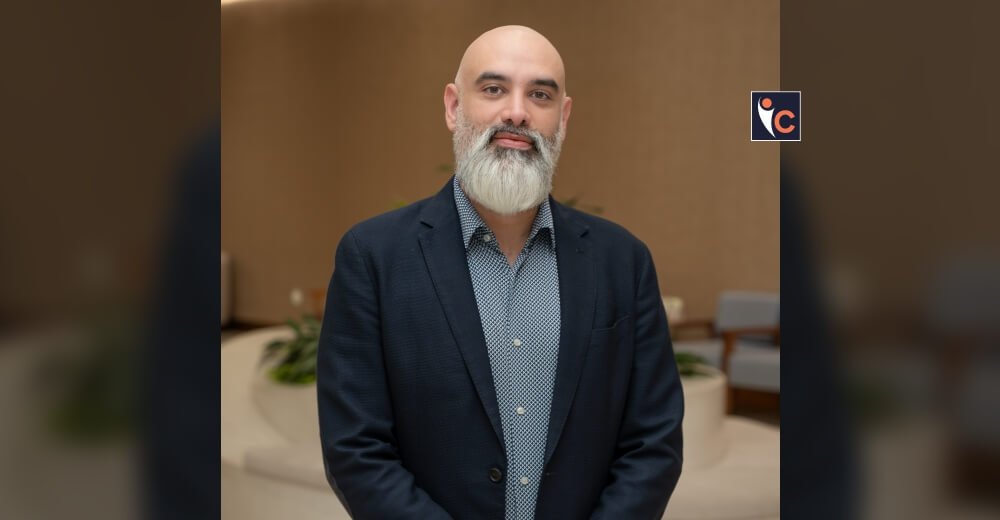
Meeting these challenges requires clinicians who blend scientific expertise with empathy and patient-centered care. Among these leading figures is Dr. Mazen Sabah, a neurologist whose work in the region has earned him recognition for both his knowledge and his compassionate approach. His practice reflects the progress being made in neuroscience while highlighting the dedication required to address complex neurological conditions. Through his work, he demonstrates how careful observation, advanced technology, and a human touch can come together to transform patient outcomes.
Let’s explore Dr. Sabah’s journey, expertise, and insights into advanced neurology and brain health in the Middle East!
Introducing Dr. Mazen Sabah
Dr. Sabah, at Mediclinic, has become a leading expert in neuro-ophthalmology, a field that combines neurology and eye care. He focuses not just on treating illnesses but on understanding each patient’s personal story and the way their symptoms affect their life.
“I found it incredibly rewarding to see how a detailed neurological examination could often reveal the location and nature of a disease even before any tests were performed,” he explains, emphasizing the diagnostic art that lies at the heart of neurology. This philosophy, nurtured through years of training in the United Kingdom and further refined through prestigious fellowships in London, underpins his approach to patient care and positions him as a guiding voice in the Arab world’s neurological community.
A Journey into Neurology
Dr. Sabah’s fascination with the brain began during his early medical training in the United Kingdom, where the intellectual depth of neurology captivated him. “My interest in neurology began during the early phase of my medical training. I was inspired by my father and grandfather, both of whom were leading neurologists in Syria, and their dedication to the field had a profound influence on my decision to pursue neurology. Even as a medical student, I was drawn to the intellectual depth of the field.” He was drawn to a specialty where the clinician’s skill in observation, listening, and anatomical reasoning remains central, a contrast to other areas of medicine where diagnostic investigations often provide instant answers.
He completed his neurology training at the Wessex Neurological Centre in Southampton, one of the UK’s major regional neuroscience hubs. Here, he gained exposure to a broad spectrum of conditions, ranging from stroke and epilepsy to multiple sclerosis and rare neuroimmunological disorders. The environment helped him develop strong clinical skills and gave him practical experience in treating very complex neurological cases.
During this period, Dr. Sabah gravitated toward conditions affecting vision and the visual pathways. “Visual symptoms can sometimes be subtle, but they can also provide important clues about diseases affecting the brain and optic nerves.” To deepen his expertise, he undertook fellowship at Moorfields Eye Hospital and St Thomas’ Hospital in London, internationally renowned for their excellence in neuro-ophthalmology. These experiences allowed him to specialize in optic nerve diseases, disorders of intracranial pressure, and complex visual symptoms.
Advanced Neurological Care at Mediclinic
Dr. Sabah’s professional philosophy is mirrored by the environment at Mediclinic, where collaboration, technology, and patient-centered care converge. “One of the biggest advantages of practicing within Mediclinic is the strong multidisciplinary environment,” he states. Neurological care often intersects with multiple specialties, and Mediclinic facilitates seamless cooperation among neurologists, neuroradiologists, ophthalmologists, neurosurgeons, rehabilitation specialists, and internal medicine physicians. This integrative approach ensures that patients with complex conditions receive comprehensive evaluation and coordinated treatment plans.
The organization’s investment in advanced diagnostic technology further strengthens neurological care. High-resolution MRI and CT imaging allow structural abnormalities in the brain and spinal cord to be visualized with remarkable precision. In neuro-ophthalmology, optical coherence tomography (OCT) has become indispensable, providing objective biomarkers for the optic nerve and retinal structures. “OCT allows us to measure the retinal nerve fibre layer and ganglion cell complex with great accuracy,” he notes, highlighting how modern tools enhance diagnostic confidence.
Mediclinic also emphasizes clinical governance, evidence-based practice, and quality improvement. This ensures that patient care adheres to the highest standards and aligns with the latest research. Above all, the organization fosters a patient-centered ethos. “Neurological symptoms can often be frightening for patients, and having an environment that prioritises clear communication and compassionate care makes a significant difference in the patient experience,” Dr. Sabah explains, underscoring the human touch in his work.
Neurology in the Arab World
The Middle East has witnessed remarkable progress in neurological care over the past decade. Investment in medical infrastructure, growing awareness of neurological disorders, and increasing specialization have transformed patient access to sophisticated treatments. Yet challenges remain. “Many neurological conditions begin with subtle symptoms that may initially appear mild or nonspecific,” Dr. Sabah observes, noting that conditions such as early multiple sclerosis or optic nerve disorders can be easily overlooked.
Subspecialization has emerged as a defining feature of regional neurology. Neuroimmunology, headache medicine, neuro-ophthalmology, and movement disorder services are becoming increasingly established, enabling clinicians to offer tailored care for complex cases. Additionally, the Middle East’s diverse patient populations provide unique opportunities for understanding disease variation across ethnic and cultural groups, contributing to both clinical insights and research innovation.
Addressing Brain Health Challenges
Dr. Sabah identifies several pressing brain health issues in the region, particularly those linked to lifestyle and aging. Metabolic and vascular risk factors—including diabetes, obesity, and hypertension—pose a major threat, contributing significantly to stroke prevalence. Preventive strategies, such as promoting physical activity, healthier diets, and early management of metabolic conditions, are crucial to mitigating long-term neurological disability.
Stress-related disorders and migraines are also widespread, driven by demanding work schedules, irregular sleep patterns, and high stress levels. As the population ages, neurodegenerative conditions such as Alzheimer’s and Parkinson’s disease are expected to increase, demanding robust diagnostic services and comprehensive care pathways.
Harnessing Technology in Neurology
Modern neurology has been revolutionized by advancements in imaging and artificial intelligence. High-resolution MRI allows for the precise detection of subtle structural changes, essential for diagnosing conditions like multiple sclerosis, vascular abnormalities, and inflammatory diseases. In the neuro-ophthalmology domain, OCT provides detailed insight into microscopic retinal structures, a leap forward in monitoring optic nerve health.
Artificial intelligence is increasingly complementing traditional diagnostics. AI-assisted imaging can detect subtle abnormalities and track disease progression, enhancing decision-making while respecting the primacy of clinical judgment. “However, it is important to remember that technology should complement—not replace—clinical judgement. The neurological examination and the patient’s story remain central to diagnosis,” Dr. Sabah emphasizes.
Patient-Centred Neurological Care
In neurology, clinical expertise must always be paired with empathy. Patients often experience anxiety and uncertainty, particularly when symptoms affect vision, movement, or cognition. “I believe it is very important to explain the diagnostic process in a way that patients can understand,” Dr. Sabah says. Transparent communication regarding potential conditions, testing methods, and outcomes allows patients to engage in shared decision-making.
Neurology, he notes, is not just about diagnosing disease. It is about guiding patients through uncertainty, reassuring them, and involving them actively in their care. By combining scientific expertise with empathy, physicians can provide both clarity and comfort in navigating complex conditions.
Prevention and Early Intervention
Dr. Sabah emphasizes the dual importance of prevention and early intervention. Lifestyle factors and vascular risks can profoundly influence neurological health, and maintaining healthy sleep, blood pressure, and physical activity is critical. Early detection of conditions like multiple sclerosis, migraine, and disorders of intracranial pressure can prevent complications and improve long-term outcomes. “Brain health should therefore be considered a lifelong priority rather than something that only becomes important later in life,” he asserts.
The Future of Neurology
Looking ahead, neurology in the Middle East is expected to evolve toward even greater specialization and technological integration. Subspecialty clinics in neuroimmunology, neuro-ophthalmology, and movement disorders will expand, providing more precise and individualized care. Digital health technologies—including telemedicine, wearable monitoring devices, and AI diagnostics—are likely to enhance disease monitoring and patient engagement.
The region’s diverse patient populations also offer valuable opportunities for research. “With diverse patient populations and rapidly developing healthcare systems, the region could provide valuable insights into the genetic and environmental factors influencing neurological diseases,” Dr. Sabah notes, highlighting the potential for contributions to global scientific understanding.
Research and Mentorship
For Dr. Sabah, research and mentorship are essential components of professional growth and clinical impact. Research provides insights into disease mechanisms, facilitates the development of new therapies, and improves diagnostic approaches. Mentorship allows experienced clinicians to cultivate the next generation of neurologists, instilling strong clinical reasoning skills and a commitment to excellence. Sharing knowledge, he believes, is both a responsibility and a privilege.
Guidance for Patients and Young Doctors
Dr. Sabah offers guidance both for patients and aspiring neurologists. For patients, protecting brain health through lifestyle management, cognitive engagement, and social interaction is vital. For young doctors, he emphasizes the importance of mastering clinical examination and localisation skills early in training. “Curiosity, patience, and empathy are essential qualities for neurologists,” he says. Embracing the complexity of the field, he adds, leads to profound professional satisfaction and a meaningful impact on patients’ lives.