Vascular disease rarely announces itself with urgency. It builds quietly, in blocked arteries and weakening blood flow, until a crisis forces attention. Yet the specialists who treat these conditions work under precisely the opposite rhythm: constant vigilance, split-second decisions, and procedures where timing determines whether a limb or a life is saved.
As vascular and endovascular medicine advances rapidly across the region, the demand for surgeons who combine technical mastery with genuine patient-centered care has never been greater. Dubai’s healthcare landscape, in particular, is evolving into a hub for specialized vascular services.
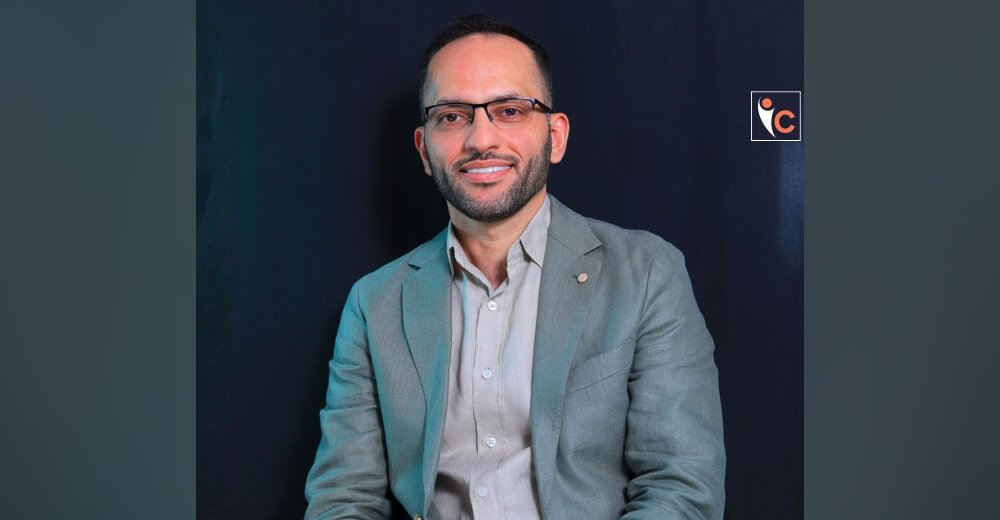
At the forefront of this shift is Dr. Mohammed Abuazab, Consultant Vascular Surgeon and Head of the Vascular Surgery Section at HMS Mirdif Hospital, Dubai. Trained and board-certified in Germany, he brings years of specialized surgical experience to a growing regional practice. What distinguishes his approach is not just clinical precision, but a philosophy built on individualized care, collaboration, and calm leadership under pressure.
Let’s delve into the interview details below!
What inspired you to specialize in vascular surgery, and how has your professional journey shaped your expertise as a Consultant Vascular Surgeon at HMS Mirdif Hospital?
Vascular surgery attracted me because it combines technical precision with the opportunity to make an immediate and lasting impact on patients’ lives. Restoring blood flow, saving limbs, preventing strokes, and treating life-threatening vascular conditions require both critical decision-making and advanced surgical skills. Throughout my career in Germany, where I completed my specialist training in both visceral and vascular surgery, I gained extensive experience in open and endovascular procedures. Today, as a Consultant Vascular Surgeon and Head of the Vascular Surgery Section at HMS Mirdif Hospital in Dubai, I apply that experience to provide comprehensive, patient-centered vascular care while continuously striving to advance the specialty within the region.
In your current role, how do you approach patient care, from diagnosis to treatment and follow-up, especially in complex vascular cases?
My philosophy is that every patient deserves individualized care. I begin with a thorough clinical assessment, supported by high-quality vascular imaging, to understand the underlying problem rather than simply treating the symptoms. I discuss all available treatment options with the patient, whether conservative management, minimally invasive endovascular therapy, or open surgery, and involve them in the decision-making process. Follow-up is equally important, as vascular diseases are often chronic. Long-term surveillance, risk factor modification, and patient education are essential to achieving durable outcomes and preventing recurrence.
How would you define your leadership style when working with multidisciplinary teams, and how do you ensure smooth coordination in high-pressure surgical environments?
I believe in collaborative and respectful leadership. Complex vascular patients often require input from multiple specialties, including interventional radiology, cardiology, nephrology, diabetology, plastic surgery, wound care specialists, and anesthesiology. My role is to ensure that communication is clear, responsibilities are well defined, and every team member feels valued. In high-pressure situations, I remain calm, prioritize patient safety, and encourage structured decision-making based on clinical evidence and teamwork.
What significant challenges have you encountered throughout your career, and how have they influenced your growth and decision-making as a medical professional?
One of the greatest challenges has been managing patients with advanced peripheral arterial disease who present late with severe tissue loss and limited treatment options. These cases require difficult clinical decisions and close collaboration across multiple specialties. Another important challenge was transitioning from practicing in Germany to establishing vascular services in Dubai while adapting to a different healthcare system and patient population. These experiences strengthened my adaptability, resilience, and appreciation for patient-centered communication and multidisciplinary care.
With rapid advancements in vascular and endovascular procedures, how do you stay updated and ensure your practices remain aligned with the latest medical standards?
Continuous learning is a fundamental part of my profession. I regularly participate in international vascular conferences, workshops, and continuing medical education programs. I closely follow the latest clinical guidelines from leading vascular societies and stay updated with current scientific literature. I also continuously evaluate new technologies and techniques to ensure that my patients benefit from evidence-based, safe, and effective treatment options.
Which achievements or milestones in your career do you consider most meaningful, and how have they contributed to your professional identity?
The most meaningful achievements are not awards but the trust my patients place in me and the positive outcomes we achieve together. Professionally, becoming a German Board-certified Vascular Surgeon, obtaining certification as an Endovascular Surgeon, leading vascular surgery services, and joining HMS Mirdif Hospital as Consultant and Head of the Vascular Surgery Section have been important milestones. These experiences have shaped my identity as a surgeon who values clinical excellence, innovation, teamwork, and compassionate patient care.
Given the demanding nature of your profession, how do you maintain a healthy work-life balance while consistently delivering high-quality patient care?
Maintaining balance requires conscious effort. While my patients are always my priority, I also recognize the importance of spending quality time with my family, maintaining my physical and mental well-being, and taking opportunities to recharge. A healthy work-life balance allows me to remain focused, resilient, and fully present when caring for my patients. I believe that taking care of oneself ultimately translates into better care for others.
Looking ahead, what are your future goals in advancing vascular care, and what advice would you offer to aspiring surgeons aiming to excel in this field?
My goal is to further develop comprehensive vascular services that integrate advanced endovascular techniques, limb salvage programs, diabetic foot management, and preventive vascular screening. I also hope to contribute to education by mentoring young surgeons and promoting multidisciplinary collaboration.
My advice to aspiring vascular surgeons is to remain curious, humble, and committed to lifelong learning. Master both open and endovascular techniques, because each patient requires an individualized approach. Most importantly, always remember that behind every scan and every procedure is a person who has placed their trust in you. Technical excellence is essential, but compassion, integrity, and communication are what truly define an outstanding surgeon.