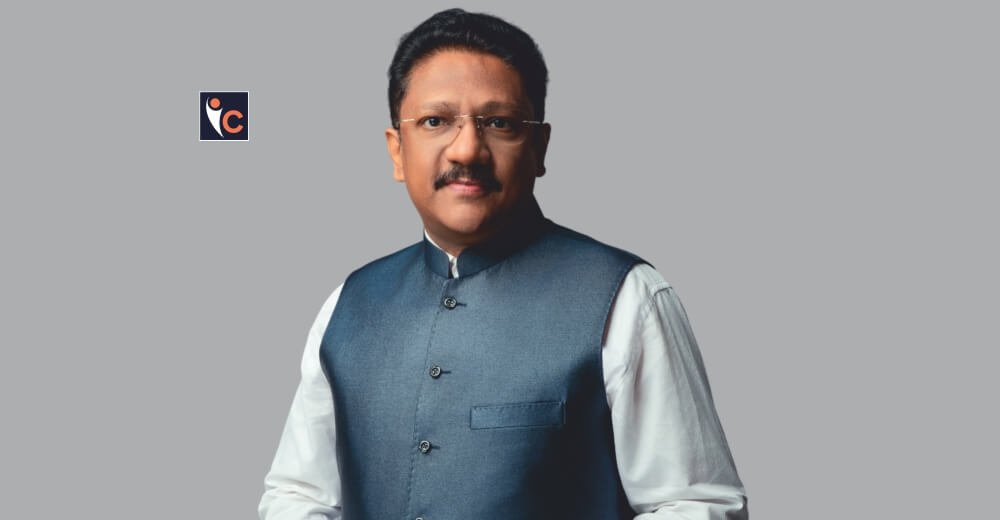
Driven by a deeply personal mission, Dr. Rajeev Thomas, Founder and Chief Mentor of HOPE Qatar Centre for Persons with Disabilities, transformed a family need into one of Qatar’s most impactful initiatives for differently-abled children. More than 25 years ago, his search for meaningful and affordable support for his son Stevin, who has Down syndrome, revealed a wider gap faced by many expatriate families in Qatar. Instead of waiting for a solution, Dr. Rajeev Thomas and his family created one, laying the foundation for HOPE Qatar.
While balancing a successful corporate career as Head of Strategic Business Planning at Qatar Foundation – Education City, Dr. Rajeev Thomas worked alongside his wife, Dr. Ciby Mathew, who initially led the centre’s operations. Today, with full dedication to HOPE Qatar’s growth, he continues to guide its expansion and evolution, ensuring that every child receives the opportunity, care, and empowerment they deserve.
As HOPE Qatar steps into its 20th year of service, the organization is celebrating this milestone with a series of meaningful programs and initiatives planned throughout the year, honoring two decades of impact, inclusion, and transformation in the lives of children with disabilities and their families.
Let’s delve into the interview details below!
How do you define the mission and vision of your organization, and what makes it unique in the Middle East healthcare landscape?
The vision of HOPE Qatar is to be the first choice for parents seeking education and therapeutic support for their differently-abled children in Qatar, by providing a nurturing, inclusive, and empowering environment where every child is encouraged to reach their full potential. We envision a society where children with special needs are not only accepted but celebrated for their unique abilities.
The mission of HOPE is to provide Help, Opportunity, Participation, and Education (HOPE) to differently-abled children and young adults; to enable them to hone their abilities; and to empower them to overcome challenges, thereby supporting the human development pillar of Qatar National Vision 2030.
Our model is unique because it offers a highly customizable approach. Intervention plans for each child are based on a multidisciplinary assessment carried out in coordination with various specialists and in consultation with parents.
How do you approach innovation in special needs care, and can you share a recent initiative that exemplifies this?
HOPE Qatar’s innovative approach to special-needs care is rooted in a holistic, person-centered philosophy that blends education, therapy, sports, and social inclusion into one unified developmental model. Instead of viewing special education as confined to classrooms or clinical settings, HOPE designs experiences that build confidence, capability, and community participation.
The Tamkeen initiative exemplifies this. Developed with the Generation Amazing Foundation, it introduced structured adaptive sports, professional coaching, and capacity- building for educators, ensuring that sports become a sustained developmental tool rather than an occasional activity.
Similarly, Riyadatee 2024, Qatar’s first inter-centre modified sports competition organized by HOPE Qatar, brought together 11 centres and 83 athletes. It highlighted HOPE’s role in creating platforms where differently-abled youth can compete, celebrate achievement, and engage with peers across the country.
These initiatives showcase how HOPE transforms care into empowerment, expanding opportunities, breaking social barriers, and shaping inclusive ecosystems where every child can thrive.
What have been some significant obstacles in your journey, and how did you overcome them?
Because HOPE Qatar traditionally focuses on students with disabilities from economically weaker sections in addition to others, there have been instances where some parents are unable to pay the required fees to keep their child enrolled. The founders of HOPE put in place a system whereby a portion of the annual surplus is set aside to cover the cost of educating such children, ensuring they are not at risk of dropping out.
HOPE’s management believes that financial instability should not deprive a child of the care they need. While this is a significant challenge, God Almighty has been kind in helping HOPE manage the situation year after year.
What leadership principles or practices have helped you cultivate a strong and dedicated team at HOPE Qatar?
HOPE Qatar’s founders have introduced various innovative human-capital development practices in the organization. One of these focuses on developing leadership at all levels.
This ensures that every staff member has the necessary competency and empowerment to identify improvement opportunities and lead their implementation.
The organization follows an “Inverted Pyramid” management approach, where frontline staff, including special educators and therapists who interact directly with students, are empowered to make decisions and take action to ensure high levels of satisfaction without waiting for senior management approval.
With clear policies, procedures, and value systems in place, the role of senior leadership becomes that of mentors rather than decision-makers. This enhances morale, dedication, and self-actualization within the team.
How do you measure the impact of your initiatives, and what achievement are you most proud of?
A variety of key performance indicators are in place and monitored continuously. A well-established Integrated Management System, certified to four international standards (ISO 9001, ISO 14001, ISO 45001, and ISO 21001 for Educational Management Systems)—ensures robust methodologies for measuring performance and impact. HOPE Qatar is one of the very few institutes in the Middle East with all the certifications and the only one in Qatar to achieve this accomplishment.
One of the most important indicators is the successful transition of students with special needs into mainstream schools. HOPE has successfully transitioned over 23 students with disabilities in the last two academic cycles, for which it received a special award from the Ministry of Education and Higher Education. Additionally, HOPE’s impactful programs have earned recognition through awards and letters of appreciation from several embassies in Qatar and from the United Nations Special Rapporteur for Disabilities.
What trends or developments do you foresee in the healthcare sector, particularly in special needs care, in the next five years?
Research in the field of disabilities is increasing in the region. With research comes information, and with information comes knowledge. As knowledge grows, we can expect improvements in the availability, quality, reliability, and impact of services for individuals with disabilities across the healthcare and education sectors.
In line with this, HOPE Qatar has signed research partnerships with several universities and research institutions in Qatar and abroad, which will be beneficial in the long run.
What advice would you give to aspiring healthcare leaders and innovators who aim to make a meaningful difference?
While revenue and profits are important, they should not be the only goals. Making a positive difference in the life of a less privileged child or youth, including those with disabilities, creates lasting impact far beyond what profit- focused initiatives can achieve.
Many educational and healthcare institutions today are emerging because there is “high scope for business” in serving persons with disabilities. But it is important to reflect on whether this is the right approach or whether we should be asking what more we can do to make a meaningful difference in someone’s life.
It would be encouraging to see the next generation think along these lines. If they do, the future of the world will indeed be in good hands.
For more information, visit: hope-qatar.org