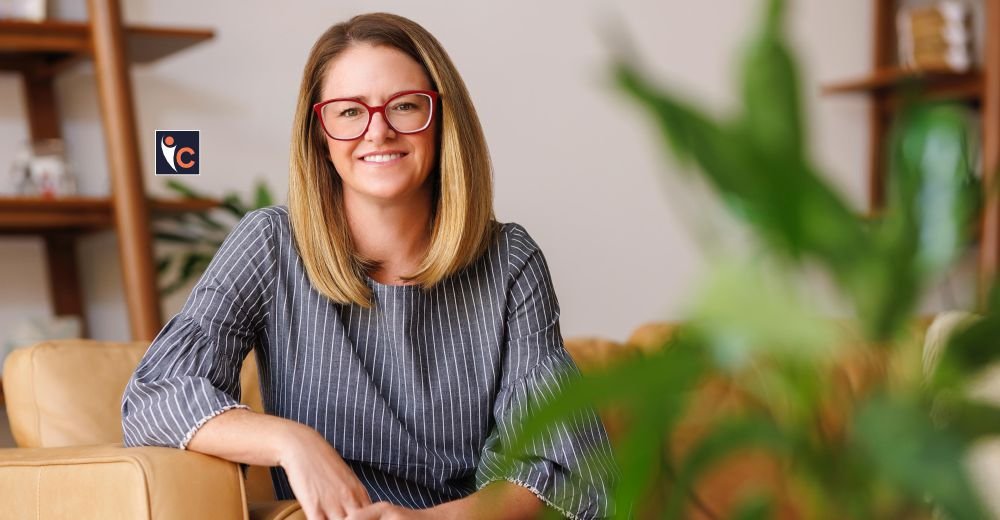
Kristin Buchanan, MSEd, BCBA, brings almost 20 years of experience in special education and behavior analysis to her role as Executive Director of the Gulf Consulting Division at The New England Center for Children (NECC). Her career began in Boston, MA, as a teacher in NECC’s residential program, followed by various roles including supporting UAE nationals in U.S. schools and helping to launch one of NECC-AD’s original classrooms. Her passion for culturally responsive and high-quality autism services led her to pursue leadership roles across both the U.S. and the Gulf region.
Since returning to the UAE in 2018, Kristin has been instrumental in shaping NECC’s clinical footprint across the GCC. She launched two clinics in Abu Dhabi and Dubai, introducing a new community-based service delivery model for NECC in the region. Under her leadership, the division has expanded its offerings to include not only ABA services, but also occupational therapy and speech-language pathology—building a multidisciplinary approach that better serves children and families. Kristin has led significant growth in staff and operations while navigating complex regulatory systems to license both staff and clinics in Abu Dhabi and Dubai. Her dedication continues to drive NECC’s mission forward, ensuring access to evidence-based care for individuals with autism across the region.
Let’s delve into the interview details below!
Can you share your journey in the field of healthcare and special education? What inspired you to join NECC?
My path began with a degree in psychology from Colorado State University, which led to my first role at NECC in Boston. I’ve always had a personal connection to this field—my brother is a person of determination, and growing up alongside him deeply shaped my understanding of what true support, inclusion, and advocacy should look like.
I was drawn to NECC’s evidence-based, compassionate approach to autism education, and over the years, my journey has included classroom teaching, school leadership, consultation, and clinical oversight. What inspired me, and continues to inspire me, is the opportunity to be part of a mission-driven organization that evolves to meet the individual needs of children and families while striving for meaningful, lasting impact.
As the Executive Director of Gulf Consulting at NECC, what are your key responsibilities, and how does your role contribute to advancing healthcare innovations in the Arab world?
My primary responsibilities include overseeing clinic operations, staff development, licensing, and strategic growth across the region. By building sustainable, community-based service models and expanding interdisciplinary services, I aim to make high-quality, evidence-based care more accessible. My role also involves forming partnerships that help align local efforts with global best practices in autism treatment and special education.
How has NECC’s presence in the Gulf region helped shape the landscape of autism education and therapy? Can you highlight any notable programs or initiatives?
NECC has played a major role in elevating standards for autism services in the Gulf. From school-based consultation to clinic-based services, we’ve supported the professional development of local educators and therapists while creating pathways for children to access individualized, data-driven support.
Notably, our clinics in Abu Dhabi and Dubai offer a comprehensive care model that reflects NECC’s global expertise while adapting to the unique needs of this region. We’ve also been invited to participate in a pilot program focused on ensuring family-centered care is embedded within service delivery across the GCC. This initiative highlights our commitment not only to clinical excellence but also to empowering and involving families as key partners in their child’s progress.
What are some of the biggest challenges in providing high-quality autism care in the Arab world, and how does NECC navigate these challenges?
There are several significant challenges, including limited insurance funding for comprehensive autism services and the presence of many lower-cost providers whose services may not meet the standards of quality or ethics required for effective care. These options can seem more accessible financially, but they often do not deliver the outcomes families deserve.
Workforce development and cultural perceptions around autism are also ongoing areas of focus. NECC navigates these challenges through rigorous staff training, strong clinical oversight, and family education. We also continuously advocate for ethical, evidence-based practices and collaborate with local authorities and stakeholders to ensure our services align with both regulatory expectations and the real needs of the community.
As a woman leading healthcare initiatives in the region, what have been some defining moments in your leadership journey?
Leading the launch of two clinics in a region where systems and expectations vary widely was both challenging and incredibly rewarding. Navigating licensing, building a multidisciplinary team, and creating scalable models from the ground up have been defining experiences. These moments have pushed me to be more adaptable, resilient, and collaborative in my leadership approach.
How do you see the role of technology and innovation shaping the future of autism care and special education in the Gulf region?
Technology has the potential to bridge gaps in access, training, and progress monitoring. From telehealth to data-driven programming platforms, innovation allows us to reach more families and deliver services with greater accuracy and flexibility. I believe it will play a critical role in scaling quality care across the region.
That said, I do have concerns about the growing presence of AI-generated treatment approaches that may not be grounded in evidence-based practice. Families, understandably eager for quick solutions, may be swayed by tools that appear sophisticated but lack the clinical validation and individualized oversight that are essential to effective autism care. As we embrace innovation, we must also ensure that quality, ethics, and evidence remain at the center of everything we do.
What advice would you give to women aspiring to take leadership roles in healthcare and education, especially in the Middle East?
Believe in the value of your perspective and don’t be afraid to take up space. Surround yourself with people who challenge and support you, and lead with curiosity and empathy. Leadership is a journey—one that’s built through both successes and setbacks.
What keeps you motivated in your work, and what legacy do you hope to leave through your contributions to healthcare and special education?
Seeing the progress of the children we serve and the growth of the teams I lead is endlessly motivating. I hope my legacy includes building systems that outlast me—systems that continue to provide high-quality, compassionate care and empower families for years to come.