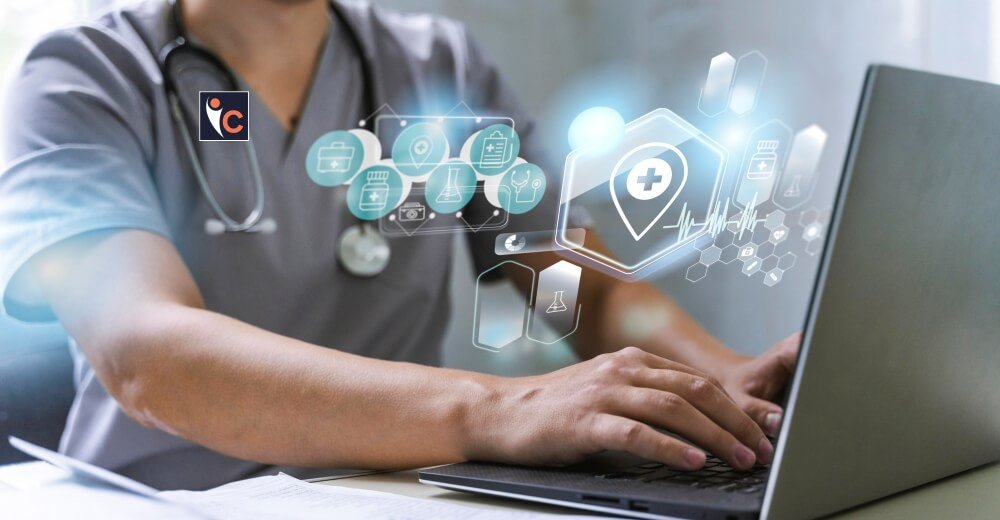
Transforming Patient Care
Every healthcare system is based on primary care. People often visit it first when they get ill or need guidance or when they would like to control chronic diseases. Over the last couple of years, the technology has started to transform the delivery of primary care. The concept of telemedicine and remote monitoring is transforming how healthcare will be in future and thus primary care digitalization is more crucial than ever. This change does not merely involve the use of new tools, but it is about making things more accessible, efficient, and the overall experience of the patient.
Primary care digitalization refers to the utilization of digital technologies to assist physicians, nurses, and patients with daily care. One of the most evident ones is telemedicine. Patients can make video calls, use phones to consult with their primary care providers, and use secure messaging without having to visit a clinic. This is particularly beneficial to individuals in the rural regions, the aged people and those with tight schedules. Patients are able to quickly and conveniently get medical advice as opposed to having to wait weeks before getting an appointment.
The other major aspect of this digital transformation is remote monitoring. Smart watches, blood pressure, glucose meters, and wearable sensors are the devices that make it possible to collect health data of patients at home. Real time sharing of this information with primary care providers can be done. Consequently, physicians will have a better opportunity to monitor chronic illnesses such as diabetes, heart disease, and hypertension. Before the problems develop and become complicated, their initial symptoms can be identified and the outcomes can be improved and the number of visits to the hospital can be reduced.
Primary care digitalization in the future will be gravitating towards preventive care. Having constant data provided by remote monitoring devices, medical professionals are able to identify trends and threats in advance. As an example, alterations in blood sugar, sleep pattern, or heart rate may be indicators of health problems. The primary care teams are then able to connect with patients, make amends, or propose changes of lifestyle. This active intervention will make the patients healthier and will decrease the hospital load.
The other valuable thing about primary care digitalization is enhanced patient engagement. Online services usually involve patient portals, mobile applications, and notifications that help to motivate individuals to be active in their health. Patients would be able to access the test results, book appointments, refill prescriptions and communicate with their care team with ease. Patients will feel empowered and should be more engaged and informed when they feel more involved will adhere to treatment plans and make healthier choices.
The primary care digitalization also helps in improved coordination by healthcare professionals. Shared digital systems and electronic health records enable the flow of information to flow easily among physicians, specialties, pharmacies, and laboratories. This eliminates redundancy, mistakes and time wastage. The use of telemedicine consultations allows involving more than one provider when necessary, which makes care more cooperative and effective.
Nevertheless, primary care digitalization is not going to be problem-free in the future. Technological availability is still a factor. Not every patient has good internet connection, cell phones, and the abilities required to utilize digital tools. Critical issues are also data privacy and security. Patients need to be assured that their personal health data are secure. To achieve the full advantage of the digitalization of primary care, healthcare systems need to invest in secure technology, clear policies, and patient education.
Healthcare provider training is also significant. Physicians and nurses must have assistance to ensure that they can adjust to new online workflow without being overwhelmed. Technology can save time instead of causing additional work when it is developed to be integrated in clinical practice.
In the future, primary care digitalization is going to be expanded further due to the development of artificial intelligence, data analytics, and connected devices. The innovations will assist in individualizing care and forecasting health dangers, as well as, assist in clinical decision-making. The remote monitoring and telemedicine will not make the personal visits unnecessary but rather a standard of the primary care.
To sum up, digitalization of primary care should be done thoughtfully in the future. Telemedicine and remote monitoring are changing the nature of care delivery to be more accessible, preventive and patient-centered. The combination of technology, human interaction, and trust can transform the primary care digitalization to enhance the health outcomes and transform the way the patients are treated in the future.