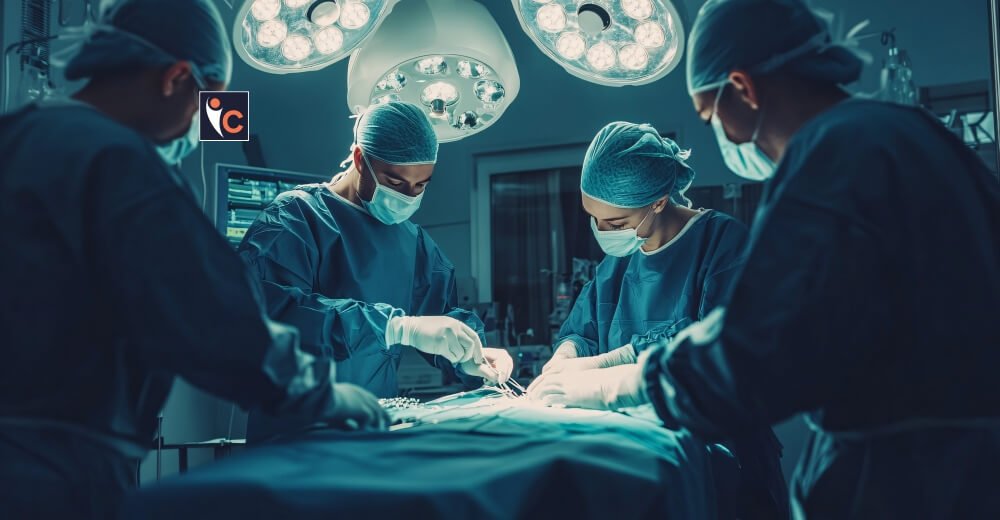
Innovation in Surgery
Surgery has changed more in the past few decades than in the entire century before that. Patients who once faced weeks of recovery after major operations can now go home the same day, often with little more than a few small marks on their skin. Behind this quiet revolution is a group of dedicated professionals, and the laparoscopic surgery expert sits firmly at the center of it all. This change did not happen overnight. It grew from years of research, trial, persistence, and a genuine desire to reduce suffering wherever possible.
Evolution of Minimally Invasive Surgery
Most people have heard the phrase but never quite understood what happens inside the operating room. Rather than making one long incision, the surgeon works through several tiny openings. A thin camera goes in through one, and slender instruments go through the others. Everything the surgeon does is guided by a live image on a screen beside them.
Patients feel the difference immediately after they wake up. Pain is lower. The risk of infection drops significantly. The body does not need to repair a large wound, so healing happens faster and with fewer complications. For older patients or those with existing health conditions, this gentler approach can be genuinely life-changing.
Building Advanced Surgical Competence
The path to becoming a laparoscopic surgery expert is long and demands complete commitment. Surgeons must learn to translate what they see on a flat screen into confident movement inside a three-dimensional space, all while using instruments that extend well beyond the natural reach of the hand.
This is fundamentally different from open surgery, where the hands work directly in the space they can feel. Minimally invasive techniques demand a different kind of coordination, a different kind of spatial awareness, and a tolerance for continuous learning.
Today, training programs have grown considerably more structured. Simulation labs allow surgeons to practice repeatedly without any patient involvement. Virtual environments recreate real surgical scenarios. Mentorship from experienced practitioners bridges the gap between knowledge and confidence. All of this investment in preparation pays off directly in patient outcomes.
Expanding the Scope of Surgical Care
A working laparoscopic surgery expert today operates in a landscape that looks very different from what existed even ten years ago. Conditions once treated exclusively through open surgery involving the digestive system, the reproductive organs, and the urinary tract are now routinely handled through incisions no larger than a fingertip.
This expansion matters enormously. Patients who were previously told they were poor candidates for surgery due to age, weight, or other health concerns now have options available to them. The barrier to safe surgical intervention has dropped, and more people are benefiting as a result.
Much of this progress comes from a culture of open exchange within the profession. Surgeons share findings, compare techniques, contribute to research, and attend conferences where the latest developments are discussed frankly. The field advances because the people in it choose to keep pushing.
Role of Technology in Modern Surgery
Robotic platforms have become an important part of the conversation around minimally invasive care. These systems give surgeons greater flexibility and precision, particularly when operating in small or delicate areas.
What often gets misunderstood is that these machines do not act alone. Every movement is directed entirely by the surgeon at the controls. A skilled laparoscopic surgery expert uses robotic assistance the same way a craftsperson uses a finely made tool to bring out capabilities they already possess, not to substitute for knowledge they have not built. As these systems become more affordable and more widely available, their presence in operating rooms across the world will only grow.
Redefining Surgical Recovery for Patients
For someone facing a surgical procedure, the availability of minimally invasive options carries real and practical weight. Recovery is shorter. The risk of serious complications is lower. The experience, from preparation to discharge, is generally less daunting.
Selecting a laparoscopic surgery expert with genuine depth of experience is one of the most meaningful choices a patient or their family can make. Technique matters enormously in this field, and outcomes vary in proportion to the skill of the person holding the instruments.
The Road Ahead
Surgery is heading steadily toward approaches that are less disruptive and more precise. Improved imaging, smarter instruments, and better training infrastructure will continue raising the standard across the board.
But no advancement changes the essential truth at the center of good surgical care. The judgment, the experience, and the steady focus of a laparoscopic surgery expert remain irreplaceable. Technology assists, but it does not lead.
Minimally invasive surgery represents something larger than a set of techniques. It reflects a broader commitment within medicine to cause the least possible harm while delivering the highest possible standard of care. That commitment, upheld and practiced by skilled surgeons every day, is what continues to move the field forward.