Leading Advances in Healthcare
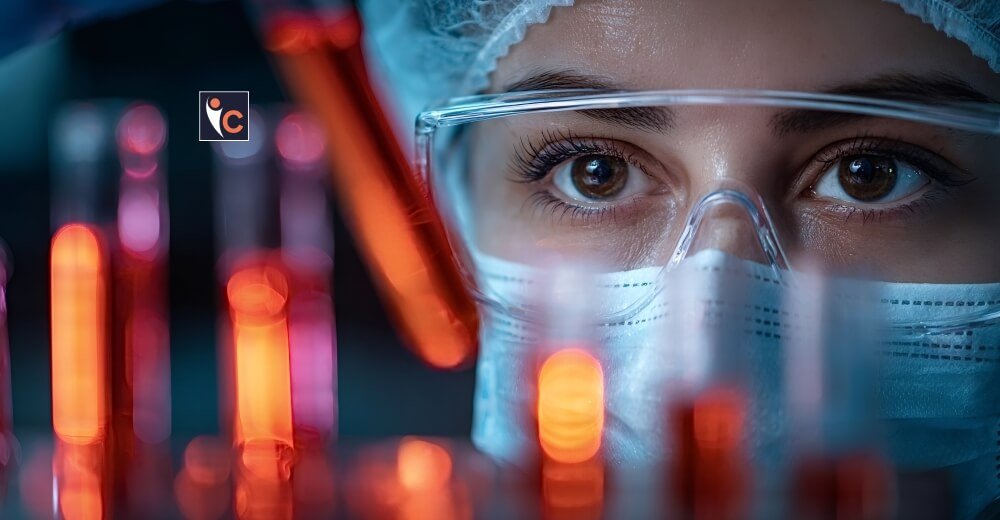
The field of biotech diagnostics is evolving rapidly, supported by continuous technological progress and a stronger understanding of disease biology. Women leaders play a central role in this change, reshaping how healthcare systems detect, monitor, and respond to illness. Their work goes beyond laboratories, influencing clinical practices, guiding policy decisions, and improving access to accurate and timely diagnostics across different populations. The increasing presence of women in diagnostic laboratories reflects both greater representation and stronger innovation across the sector.
The article looks at how women in diagnostic laboratories are improving biotech diagnostics with new technologies, helping detect diseases early and enhance patient care.
Redefining the Evolution of Biotech Diagnostics
Biotech diagnostics has moved from basic serological testing to advanced molecular platforms. Today, researchers use genomics, artificial intelligence, and high-throughput screening to identify disease markers with greater accuracy. These advancements help reduce diagnostic time and improve reliability, especially in cases where early detection is essential.
Women scientists and leaders have played an important role in this progress. They have helped create advanced tools like amplification-free nucleic acid detection systems and better tissue analysis methods. Women in the diagnostic laboratories are contributing to the efficient nature of diagnostic systems through their work, as they are capable of addressing the modern healthcare demands.
Nanotechnology and machine learning have made diagnostic tools better. Devices have become smaller, faster, and simpler to use and hence are applicable in various healthcare facilities, particularly in those with limited resources. By improving access and accuracy, women in diagnostic laboratories are helping reduce gaps in healthcare.
Technological Breakthroughs Driving Progress
Biotech diagnostics continues to grow through new technologies that improve accuracy and efficiency. Among the most important developments is the application of ultrasensitive optical biosensors that identify DNA and RNA without elaborate procedures. These tools simplify testing and reduce costs.
Artificial intelligence is also improving diagnostics. Machine-learning models are useful to analyze complex biological data, which enables earlier and more precise identification of diseases like endometriosis and cancer. This helps doctors make more informed decisions.
Point-of-care diagnostics is another major step forward. Antibody and biomarker-based rapid tests give fast results, which allow physicians to make decisions concerning the second steps. In all these areas, women in diagnostic laboratories are actively involved in designing practical and effective solutions.
Addressing Challenges Through Strategic Leadership
Despite progress, challenges remain. Women have continued to be disadvantaged in terms of finances and leadership. However, the work of numerous leaders is to transform this situation through the promotion of inclusivity and collaboration.
There are also technical issues like the preservation of the reagents and the regulatory requirements, which should be taken care of. Strong collaborations among research institutions, industry, and regulators contribute to solving these problems.
Mentorship is significant in the process of assisting future professionals. The leaders of the present generation can secure further progress and innovation by mentoring the upcoming generations. These initiatives enable women in the diagnostic laboratories to continue the field development and encourage equitable and just practices.
Future Directions in Biotech Diagnostics
The future of biotech diagnostics looks promising. The emergence of new technologies, including CRISPR-based diagnostics, is highly sensitive in identifying disease, thus making it easier to intervene. Wearable biosensors are also being developed to monitor health continuously.
Sustainability is becoming a priority. Firms are developing environmentally friendly materials and minimizing waste during production. At the same time, global collaborations are helping standardize diagnostic systems and improve readiness for future health challenges.
Investigators are also broadening their area of interest to chronic and neurodegenerative diseases. By using multi-omics data, they aim to gain deeper insights into disease patterns. In these areas, women in diagnostic laboratories continue to lead innovation and development.
In Summary
Women leaders in biotech diagnostics are influencing more than just research. They also help in policy formulation, improvement of quality standards, and enhancement of healthcare systems. They have better decision-making and growth prospects because they are part of industry groups.
They also facilitate inter-disciplinary collaboration among scientists, engineers, and medical personnel. This collaboration is helpful in translating research into practice that is beneficial to patients.
The increased contribution of women in diagnostic laboratories is a positive trend in the life sciences industry. Their contributions continue to improve technology and healthcare systems, supporting a future that is more accessible, efficient, and focused on patient needs.