Endocrinology has become one of the most important medical specialties as lifestyle diseases, hormonal disorders, and metabolic conditions continue to rise. With aging populations and more people living with chronic illness, the specialty now plays a central role in prevention, precision care, and long-term health. This shift is especially clear across the Arab world, where diabetes, obesity, and endocrine disorders are no longer minor issues but major public health concerns that require strong leadership and innovation.
In this changing healthcare environment, a new generation of clinician-scientists is reshaping how endocrinology is practiced. They don’t just see patients. They teach, study, and create systems that improve care. They also help patients cut through the noise of health information so they can make safe, informed choices.
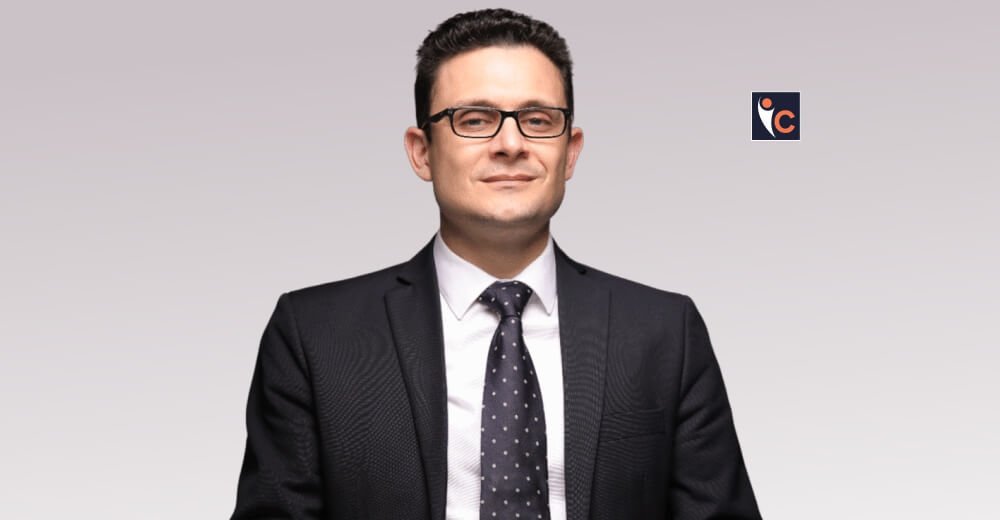
Dr. Ali Aldibbiat stands among these leaders. A Consultant Endocrinologist and Associate Professor of Endocrinology, his career brings together academic depth, clinical skill, and an entrepreneurial mindset. As the Owner, CEO, and Managing Director of Newcastle Vitality Clinic in the UAE, he brings together personal insight and scientific expertise to advance endocrine care.
Let’s explore the journey, leadership, and vision shaping one endocrinologist’s impact on innovation, education, and patient care across the region!
A Calling Forged by Loss and Curiosity
The decision to pursue medicine is often influenced by ambition, but in some cases, it begins with a personal experience. For Dr. Aldibbiat, his path toward endocrinology started early and was shaped by a loss that left a lasting mark on his sense of responsibility as a physician. He recalls how the death of a young cousin from Diabetic Ketoacidosis created a question that stayed with him throughout his career: “Surely, something more can be done about this.”
That moment did not fade with time. Instead, it evolved into focused curiosity and determination. He was drawn to endocrinology for its demand for analytical thinking and clinical precision. He saw it as a field where scientific understanding could directly improve patient outcomes. For him, endocrinology was more than a clinical specialty. It was a structured way to understand and correct complex biological systems.
His academic journey followed this direction closely. During his Master’s degree, his research focused on generating insulin-producing cells from pancreatic cells that do not normally produce hormones. This work laid the foundation for his PhD research in islet cell transplantation and stem therapies for diabetes, aiming to address the root cause of Type 1 diabetes rather than merely managing its symptoms. Notably, the UK National Health Service (NHS) islet cell transplantation program draws directly on his PhD research, translating his scientific findings into clinical practice. Reflecting on this connection between science and purpose, he explains, “It is a truly academic specialty that demands a fusion of deep knowledge and clinical deduction.” From that point onward, his career path became one of steady focus rather than uncertainty.
Grounded by the UK, Shaped by Service
Professional growth is often influenced by environment, and Dr. Aldibbiat’s formative years in the United Kingdom played a major role in shaping his leadership approach. He trained within a system that values structured education, accountability, and continuous learning. This experience helped him view leadership as a form of service rather than authority.
During this time, he held several leadership roles. He led the Continuing Medical Education program for endocrinology training across the Northeast of England. Later, he headed Diabetes Technology services at James Cook University Hospital. These roles focused on strengthening teams, improving systems, and ensuring that research, teaching, and clinical care remained closely connected.
To him, leadership is never fixed. It changes with responsibility and context. He describes this belief clearly: “Leadership is a privilege, but it carries a weight of responsibility that I never take lightly.” This mindset became even more important as his career expanded across countries and healthcare systems.
A New Chapter in the UAE
Moving to the United Arab Emirates marked a defining phase in Dr. Aldibbiat’s career. The region’s fast-growing healthcare sector and progressive regulatory environment created both opportunity and responsibility. He soon took on the role of leading the weight reduction program across all Mediclinic Hospitals in Dubai. The position required clinical expertise, strategic planning, and consistent execution across multiple sites.
This period was defined by scale and measurable impact. Managing programs across several hospitals demanded adaptability and a strong commitment to evidence-based care. It also gave him deeper insight into the metabolic health challenges faced by the regional population. These experiences reinforced the need for localized solutions rather than imported models of care.
Over time, his leadership focus began to evolve. While large institutions offered reach, they also highlighted the limits of traditional care models when addressing prevention, vitality, and longevity. This realization guided him toward a more entrepreneurial direction, one that allowed faster innovation and closer alignment with patient needs.
Building a Vision Around Vitality
His move to Newcastle Vitality Clinic represented more than a new role. It reflected a shift in how he viewed healthcare delivery. As Managing Director and co-founder, his focus expanded beyond treating disease to supporting long-term health, preventative care, and longevity.
This vision is based on the belief that medicine must evolve alongside patient expectations. Patients today want more than reactive treatment. They want guidance on how to live healthier and longer lives, supported by credible science. Delivering this requires strong clinical standards, clear communication, and thoughtful use of technology.
Despite this entrepreneurial focus, Dr. Aldibbiat has stayed closely connected to academic medicine. His honorary teaching and research support at Mohammad Bin Rashid University of Medical Sciences reflects his belief that leadership must remain tied to education. As he puts it, “I believe a true leader must always remain a teacher and innovator at heart.” This balance ensures that innovation remains grounded in evidence and that future clinicians are well prepared for a complex medical landscape.
Bridging Innovation and Access
Endocrinology operates at the forefront of medical research, but translating innovation into everyday clinical care remains a challenge. New therapies and technologies often develop faster than healthcare systems can adopt them, which can limit access and understanding.
Dr. Aldibbiat has faced this challenge throughout his career. While access to advanced treatments can vary globally, he recognizes the advantage of working in the UAE. The region’s regulatory framework allows earlier access to innovative therapies, enabling patients to benefit sooner than in many other parts of the world.
At the same time, innovation brings a modern challenge. The volume of health information on social media makes it difficult for patients to separate evidence from misinformation. A growing part of his clinical work involves helping patients evaluate claims and trends using scientific reasoning. In this role, he acts not only as a clinician but also as a trusted guide through complex health information.
Staying Ahead in a Moving Field
Endocrinology is a field that changes constantly, and staying current is not optional. For Dr. Aldibbiat, continuous learning is a professional responsibility. He views medicine as an ongoing process rather than a completed qualification.
He stays actively involved in international conferences, research publications, and peer review activities. This ensures that his clinical practice reflects the latest global standards. He summarizes this commitment clearly: “There can be no compromise on knowledge; it is the only guarantee of continued excellence in patient care.”
This level of engagement is not driven by recognition. It is driven by responsibility to patients, students, and the profession. By contributing to the discussions that shape best practices, he ensures that innovation is applied thoughtfully and effectively.
The Synergy of Clinic, Classroom, and Research
Balancing clinical work with academic and research responsibilities is demanding. Dr. Aldibbiat approaches this by viewing all three areas as interconnected rather than competing.
Clinical experiences shape research questions, while teaching sharpens clinical judgment. Students are actively involved in research projects, bringing fresh ideas and energy. This approach allows high-quality output without compromising patient care.
Mentorship plays a key role in this process. By engaging trainees in meaningful work, he helps build the next generation of endocrinologists who are ready to lead and innovate.
Technology as a Catalyst for Quality of Life
Technology has transformed endocrinology more than many other specialties. From glucose monitoring to hormone diagnostics, innovation has significantly improved patient care.
In Type 1 diabetes, closed-loop insulin delivery systems have reduced the daily burden of disease management. These systems adjust insulin delivery automatically, allowing patients greater freedom and peace of mind while managing diabetes in a safe and truly effective way.
Artificial intelligence is also changing screening and prevention. AI-based diabetic eye screening matches traditional exam accuracy with fraction of the time required and without discomfort. Advanced genetic testing now help predict future health risks, allowing earlier lifestyle intervention. These tools support a shift from reactive treatment to proactive health management.
Milestones That Matter
Recognition in medicine reflects commitment and consistency rather than status. Throughout his career, Dr. Aldibbiat has received several honors that mark important stages of his journey.
Early on, the Aga Khan Foundation award following his medical graduation supported his academic development. Completing his PhD in islet cell transplantation was another significant milestone that validated years of focused research.
His fellowships with the Royal College of Physicians in London and Edinburgh, as well as the American Academy of Clinical Endocrinology, reflect professional trust in the standards he maintains. To him, these honors represent responsibility rather than conclusion.
Guiding the Next Generation
When advising young doctors, Dr. Aldibbiat emphasizes adaptability. Medicine continues to change, driven by technology and new expectations.
He encourages lifelong learning, curiosity, and openness to innovation. Education does not end with certification. It grows through experience, research, and reflection. This mindset, he believes, defines impactful medical careers.
The Arab Region’s Endocrine Future
Demand for endocrinology in the Arab world is expected to rise. Diabetes and metabolic disorders remain highly prevalent, creating serious challenges for healthcare systems.
Despite this, Dr. Aldibbiat is optimistic. Advances in biotechnology and pharmacology are accelerating, and regional healthcare systems are becoming more capable. He sees a future where the Arab region contributes to innovation rather than only adopting it.
A Vision of Impact
Looking beyond 2026, Dr. Aldibbiat remains focused on meaningful impact. His goal is to shorten the gap between global innovation and local access, ensuring patients in the UAE receive advanced care without delay.
In order to advance clinical care and integrate innovations at the forefront of medical breakthroughs, Dr. Aldibbiat founded Newcastle Vitality Clinic in Dubai, a space where innovations, state-of-the-art therapies, and preventative care enable people to achieve vitality from the inside out.
His journey reflects a clear purpose. What began with personal loss has evolved into a career focused on prevention, progress, and patient-centered innovation, guided by knowledge, responsibility, and long-term vision.