Vascular surgery is evolving rapidly. Today’s surgeons must master two distinct approaches: the steady hand and technical expertise required for open surgery, alongside the precision and adaptability demanded by modern, minimally invasive techniques. Excelling in both requires a unique combination of skill, experience, and surgical judgment.
This shift is particularly significant in regions where medical training has yet to fully keep pace with growing demand. Across much of the Middle East, specialized surgical care is expanding rapidly, yet women remain underrepresented in the field. For many patients, particularly women, finding a surgeon with whom they feel genuinely comfortable can still be a challenge.
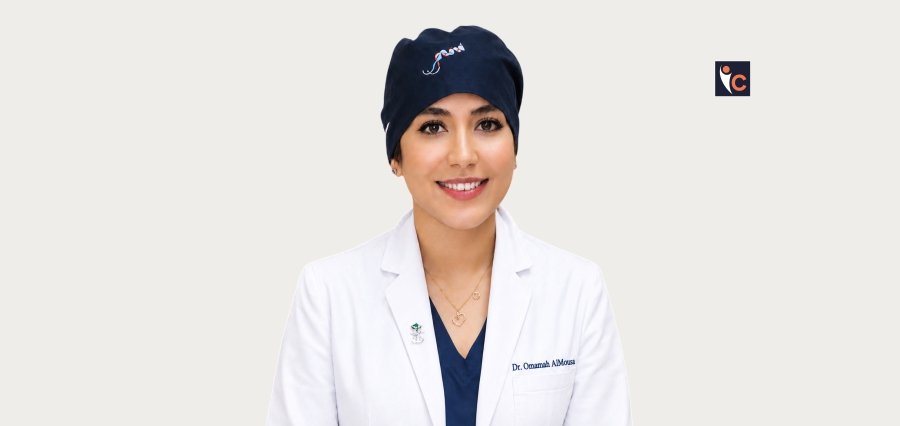
Dr. Omamah AlMousa has spent her career helping to close that gap. As a Consultant Vascular & Endovascular Surgeon at King Saud University & AlHabib Medical Group, she treats a wide range of vascular conditions, from aortic disease to venous insufficiency, while also training the next generation of surgeons.
Her professional journey took her from surgical residency in Canada to clinical practice in Riyadh, spanning two healthcare systems with very different expectations but one unwavering standard: quality patient care. That experience has shaped the way she leads, teaches, and approaches patient care today.
Let’s delve into the interview details below!
Could you take us through your career journey and what inspired you to specialize in vascular and endovascular surgery?
My athletic background taught me precision, dexterity, and mind-body integration, skills that naturally drew me to surgery. During my surgical foundations residency in Toronto, I was captivated by vascular cases, especially the dramatic restoration of blood flow in ischemic limbs. The moment that sealed my path was witnessing an aortic graft: the scale and complexity of reconstructing the body’s main artery left an unforgettable impression. What continues to inspire me is the field’s duality, moving seamlessly from open heroic surgeries to elegant endovascular interventions. This dynamic range keeps me constantly challenged and deeply passionate.
As a Consultant Vascular and Endovascular Surgeon at King Saud University & Alhabib Medical Group, what are your key clinical responsibilities and areas of professional focus?
As an Assistant Professor at King Saud University, I mentor medical students and trainees through both academic teaching and hands-on surgical guidance. I also lead innovative projects aimed at improving patient care and surgical education. Clinically, I manage the full spectrum of vascular conditions, with special focus on aortic pathologies, carotid disease, and venous insufficiency. As the only female vascular surgeon with North American qualifications in my region, I am privileged to serve a diverse patient population, especially women who find comfort and trust in my care, allowing me to address an underserved demographic with empathy and excellence.
How do you approach leadership and collaboration when working with multidisciplinary teams to deliver high-quality patient care?
My leadership approach centers on active listening, mutual respect, and shared decision-making. In complex vascular cases, I bring together interventional radiologists, anesthesiologists, nurses, and allied professionals to co-create individualized care plans. I emphasize clear communication and role clarity, ensuring every team member feels empowered to contribute. My goal is not to direct from above, but to unite the team around a common mission of excellence, innovation, and patient-centered outcomes.
What have been the most challenging stages of your surgical career, and how have they influenced your approach to complex clinical situations?
Throughout my surgical career, each stage has presented its own unique challenges—from the demanding transitions of residency training to the profound shift into independent practice as an attending, where the weight of ultimate responsibility rests squarely on my shoulders. However, if I were to identify the most challenging stage, it would be moving from Canada to Riyadh. Adapting to a new work culture, patient expectations, diverse pathologies, and an unfamiliar healthcare system with different referral patterns and equipment required me to rebuild my workflows while maintaining uncompromised care. This experience taught me intellectual humility, cultural sensitivity, and resourcefulness. It made me a more flexible and resilient surgeon, qualities that now guide me through complex clinical challenges.
How do you stay current with advancements in vascular and endovascular surgery and continue to strengthen your clinical expertise?
I stay updated through a dual strategy: active scholarly engagement and collaborative networking. Though based in Saudi Arabia, I maintain strong ties to Canadian institutions, attending international and national conferences. Daily practice in Saudi Arabia exposes me to unique pathology and diverse cases. I also foster cross-border research and virtual case discussions, integrating best practices from North America and the Middle East. This bidirectional exchange enriches my clinical judgment and ensures my care remains evidence-based, culturally attuned, and globally informed.
Which awards, recognitions, professional milestones, or achievements have been most meaningful throughout your career?
I have received awards during my master’s, simulation fellowship, residency, and current practice. However, my most meaningful milestone was being accepted into McMaster University’s vascular surgery residency as the first non-Canadian trainee, a transformative honor that shaped my career and instilled a lasting commitment to excellence. Additionally, being the first female vascular surgeon in the Middle East with Canadian board certification, and currently the only female vascular surgeon in Saudi Arabia, carries deep significance. These roles allow me to inspire other women in the region to pursue vascular surgery and challenge traditional boundaries.
How do you maintain a healthy balance between the demands of surgical practice, professional development, and your personal life?
Balance is an intentional, ongoing process. My background as a former professional Taekwondo athlete gave me discipline and resilience. Today, I stay active through tennis, equestrian, and skiing, scheduling these activities with the same priority as professional duties. Proper nutrition and sleep are non-negotiable for sustaining performance. Family and friends remain sacred, and while juggling demands is challenging, I strive to honor each aspect work, health, relationships at the right time. Balance is never perfect; it requires constant reflection and adjustment to optimize well-being without compromising excellence.
What are your future aspirations in vascular and endovascular surgery, and what advice would you give to young surgeons entering the specialty?
My future goals center on innovation and expanding access to care. I aim to advance minimally invasive techniques, explore new technologies, and conduct research applicable to resource-limited settings. Leveraging my unique position as a Canadian-trained surgeon in the Middle East, I hope to bridge care gaps, mentor regional trainees, and advocate for equitable vascular services regardless of geography or socioeconomic status. To young surgeons: embrace lifelong learning with humility and curiosity. Seek diverse training, build strong mentorships, and never forget the patient behind the disease. Cultivate resilience and passions outside medicine; a well-rounded life sustains a sustainable career. This specialty is demanding but immensely rewarding; those who enter with purpose and compassion will find endless opportunities to make a meaningful difference.