Supporting Better Outcomes
Anyone who has worn braces, or watched a family member go through treatment, knows the routine: messy molds, long appointments, and a lot of waiting to see how things turned out. Care has moved on from that picture. Today, many orthodontic teams rely on scanners, computer planning, and precise manufacturing to guide each step. This approach is known as digital orthodontics, and it is changing what patients can expect from the first visit to the final smile.
What the Term Really Means
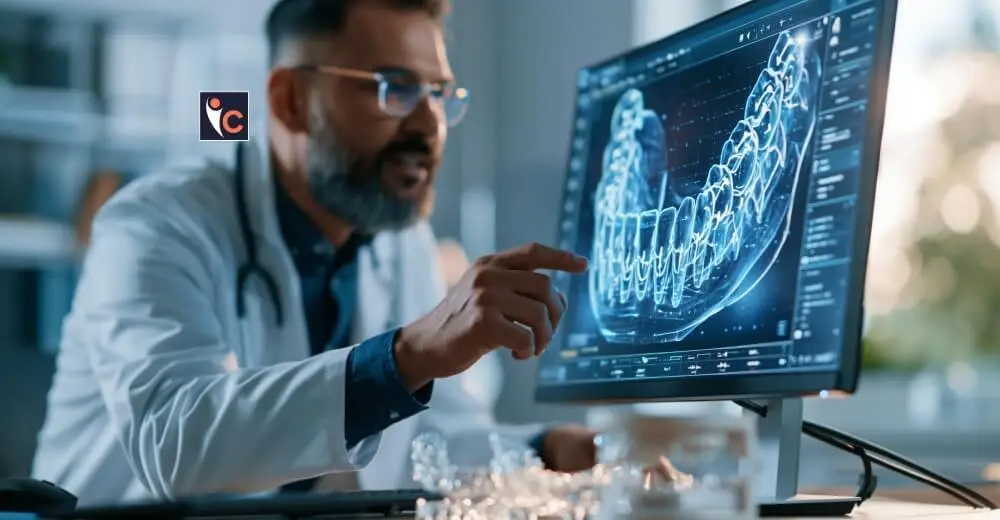
At its core, this field uses digital tools in place of older, manual methods. A small scanner captures the shape of the teeth and gums. Software turns that information into a detailed three-dimensional model. From there, the orthodontist can study the bite, plan tooth movement, and design the appliances a patient will wear. Digital orthodontics does not replace the clinician. It gives the clinician a clearer view and a more reliable way to carry out a plan.
Comfort from the Very Start
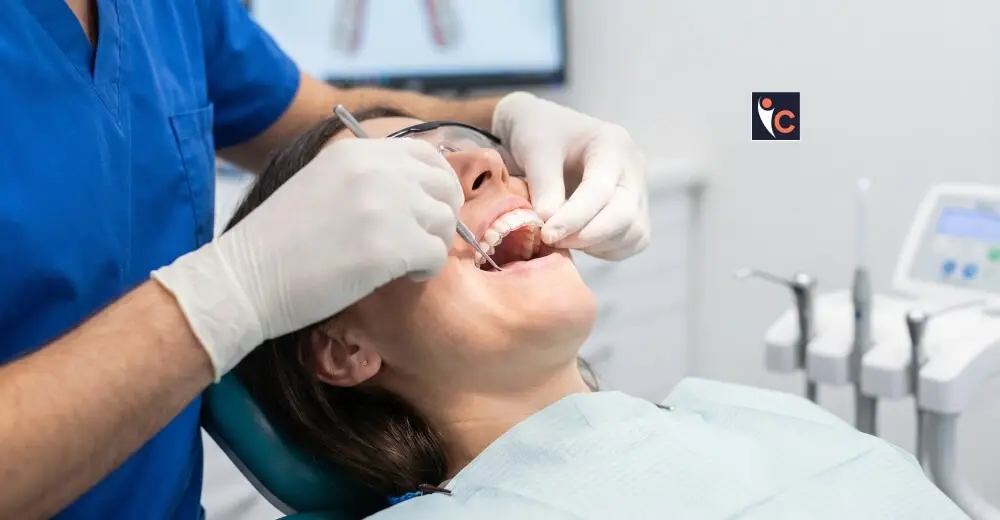
For many people, the least pleasant part of treatment used to be the impression tray. The thick material, the gagging, and the long minutes of holding still made a lot of patients dread the start. Scanning removes most of that discomfort. The process is quick, clean, and easy to repeat if needed. Starting treatment on a better note matters more than it might seem, because patients who feel comfortable tend to stay engaged.
Precision That Shapes Results
Accuracy is one of the strongest reasons for this shift. A digital model captures fine detail that is hard to match by hand. When a plan is built on better information, appliances fit more closely and movements follow the intended path more faithfully. Here, digital orthodontics supports better outcomes by reducing small errors that could otherwise add up over months of treatment. Fewer surprises usually mean fewer adjustments and a smoother experience overall.
Seeing the Plan Before It Begins
One of the most appreciated benefits is the ability to preview a likely result. Software can show how teeth are expected to move over time, which helps patients understand what lies ahead. This makes conversations easier. Instead of imagining the outcome, people can look at a visual plan and ask informed questions. It also helps the care team spot possible challenges early and decide how to handle them before treatment starts.
Fewer Visits and Better Use of Time
Busy schedules are a real concern for adults and parents alike. Because planning is more detailed and many appliances are made in advance, treatment can often run with fewer in-office adjustments. Some practices also use remote check-ins, which allow progress to be reviewed without a full appointment. While the overall length of care still depends on the individual case, digital orthodontics often makes the process feel more organized and less demanding on daily life.
Custom Appliances Made for You
Another advantage lies in how appliances are made. Digital designs allow clear aligners, retainers and other devices to be produced to match an individual mouth closely. Because each piece is built from a personal model, the fit tends to be more consistent. For patients, that can mean less irritation and a more natural feel. Within digital orthodontics, customization is not an extra feature. It is built into the way the work is done.
Keeping Records Safe and Simple
Paper files and plaster models take up space and can be lost or damaged. Digital records are easy to store, organize and review over time. If a patient moves or needs to see another provider, sharing information becomes simpler. Years later, a team can look back at the starting point and compare it with the current position. That long view is helpful for maintaining results after treatment ends.
Things Worth Keeping in Mind
No tool is perfect for every situation. Some complex cases may still call for traditional methods or a blend of both. The skill of the provider remains the most important factor, because technology only works as well as the person guiding it. Patients should feel comfortable asking how a practice uses its tools and why a particular approach was chosen. A thoughtful provider will welcome those questions.
The Road Ahead
The field continues to grow. Scanners are becoming faster, planning programs are becoming smarter, and materials are getting better. As these tools improve, care should become even more tailored and more convenient. For anyone thinking about straightening their teeth, learning about digital orthodontics is a useful first step. It offers comfort, clarity and precision and it helps make a healthy, confident smile more achievable for a wider range of people.