Recovery-Focused Treatment
A stroke is one of the most time-sensitive medical emergencies a person can experience. Every minute that passes without appropriate intervention represents brain tissue under threat tissue that, once lost, cannot simply be replaced. The urgency surrounding stroke response has always been understood, but what has changed dramatically in recent years is the capability available within that urgent window. Stroke management today looks genuinely different from what it looked like even a decade ago, and the outcomes being achieved reflect that difference in ways that matter deeply to the patients and families on the receiving end of it.
The Evolution of Modern Stroke Care
The most significant advances in acute stroke treatment have centered on expanding both the speed and the precision of intervention. Faster imaging protocols allow clinicians to understand what type of stroke a patient is experiencing and where within the brain the disruption is occurring information that determines which treatment approach is appropriate and how quickly it can be safely delivered.
The distinction between a stroke caused by a blocked blood vessel and one caused by bleeding within the brain matters enormously for treatment decisions. Getting that distinction right quickly is the foundation on which everything else in acute care rests, and the diagnostic tools now available allow that assessment to happen with a speed and confidence that earlier generations of stroke physicians could not approach.
Advanced Procedures Transforming Stroke Recovery
One of the most significant developments in stroke treatment over recent years has been the refinement and broader availability of mechanical thrombectomy, a procedure that physically removes a clot from a blocked blood vessel in the brain using catheter-based techniques. For patients experiencing large vessel occlusions, this approach has produced recovery outcomes that were not achievable through medication alone.
The ability to restore blood flow directly by removing the obstruction causing it has extended the window within which meaningful intervention is possible and has produced recovery outcomes in patients who, under earlier treatment protocols, would have faced considerably worse prospects. That expansion of what is achievable for the most serious stroke presentations represents one of the clearest advances the field has made.
Rehabilitation as a Critical Part of Recovery
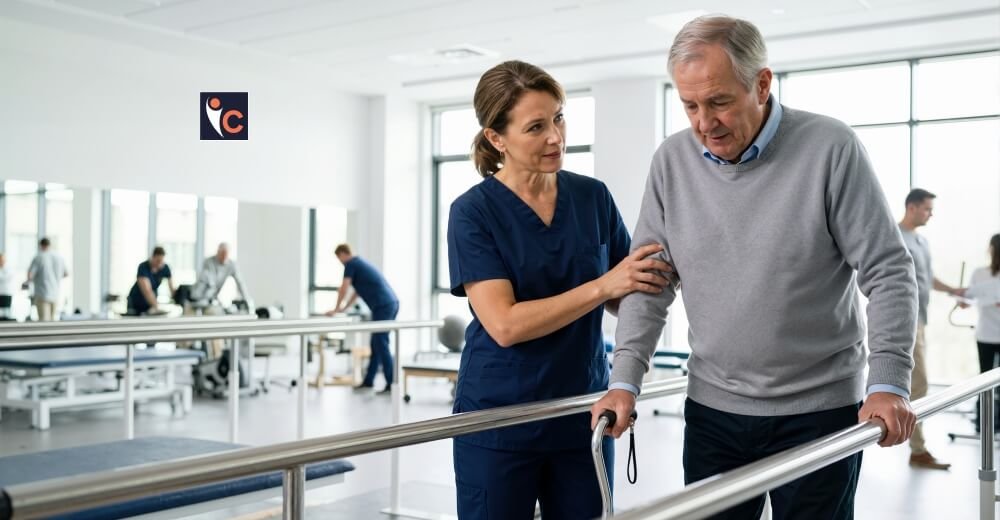
The traditional separation between acute stroke treatment and rehabilitation has been challenged by a growing body of evidence suggesting that early rehabilitation beginning within the acute phase rather than waiting until a patient is medically stable produces better functional recovery than delayed approaches.
The brain’s capacity to adapt and reorganize after injury is most active in the period immediately following a stroke, and rehabilitation that begins during this window takes advantage of that capacity more effectively than rehabilitation that starts weeks later. Physiotherapy, speech therapy, and occupational therapy delivered early and intensively contribute to recovery trajectories that hold up over the longer term.
Preventing Future Strokes Through Long-Term Care
Surviving a stroke and recovering function are not the only goals of comprehensive stroke care. A significant proportion of people who experience one stroke are at elevated risk of experiencing another, and reducing that risk through appropriate secondary prevention is a critical part of what complete stroke treatment involves.
Medication management, lifestyle modification, management of underlying vascular risk factors, and ongoing monitoring all contribute to reducing the likelihood that recovery from one stroke is interrupted by another. The patients who do best over the long term are typically those whose care addresses both the recovery from the current event and the reduction of risk for future ones.
Expanding Access Through Stroke Care Technology
One of the more significant developments in how stroke treatment is delivered has been the use of technology to extend specialist expertise beyond the walls of major stroke centers. Telemedicine platforms that allow stroke specialists to assess and guide the treatment of patients in remote or underserved hospitals have brought time-sensitive expertise to settings that could not previously access it quickly enough to make a difference.
This expansion of reach matters because stroke does not confine itself to locations with immediate access to specialist care. Getting expert assessment and guidance to patients wherever they present, not just in major centers, changes outcomes for populations that geography would otherwise disadvantage.
The Future Direction of Stroke Treatment
The trajectory of stroke care is toward interventions that are faster, more precise, and available to more patients in more settings than current practice allows. Research continues to push the boundaries of the treatment window, refine the selection of patients most likely to benefit from specific interventions, and develop approaches to rehabilitation that produce more complete functional recovery.
For patients and families navigating the aftermath of a stroke today, that trajectory carries genuine meaning: the care available now is better than what existed before, and the care that will be available in the years ahead will be better still.