Enhancing Clinical Precision
Ask a neurologist which part of the job is hardest and many will give the same answer: working out what is actually wrong. A tremor might come from one condition or from five. Tired legs, foggy thinking, a strange tingling in the hands. Each can point in several directions. Patients often wait a long time for a clear answer, and the waiting wears on them. Innovative neurological care aims to shorten that wait without cutting corners.
Understanding the Challenges of Neurological Diagnosis
Some medical problems announce themselves. A fracture shows up on an X-ray and that is that. The nervous system is less cooperative. Symptoms appear on Tuesday and vanish by Thursday. Two people describe the same complaint in nearly the same words, yet the causes differ completely. A doctor working from a quick glance can easily head down the wrong road, and a wrong road can cost months. Families feel that cost most of all. Better evaluation is the answer, and innovative neurological care is built around it.
Getting a Clearer View Through Imaging
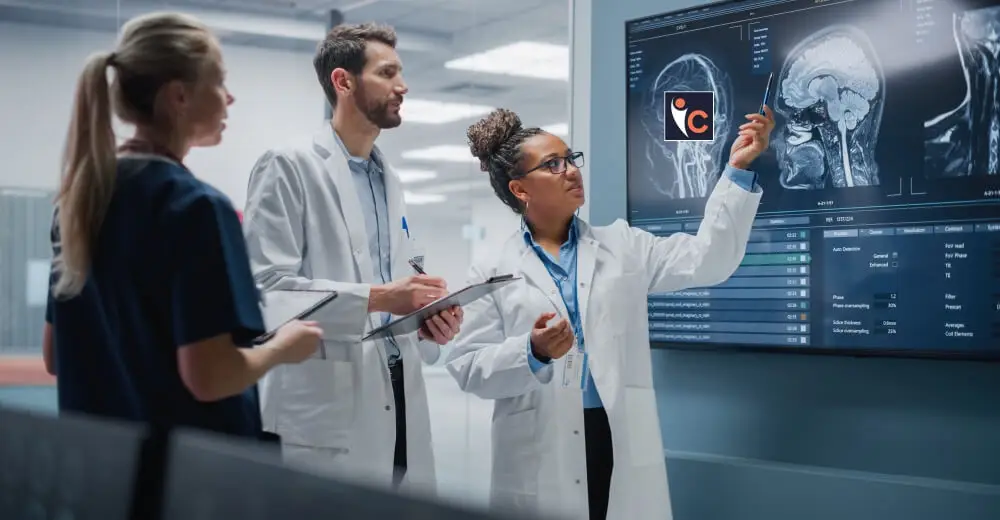
Brain and spinal imaging has improved a great deal. Scans are clearer and quicker, and they reveal fine detail that older machines blurred out. Doctors can see how blood moves through the brain and how different regions behave. Small changes surface sooner. This is a big piece of innovative neurological care, because a clearer picture means fewer guesses and fewer second rounds of testing.
Why Patient Conversations Matter
No machine replaces the first appointment. A good neurologist lets the patient talk. When did it start? What makes it worse? How did the morning feel compared with the evening? Those answers shape everything that follows, including which tests are worth ordering. A test ordered without a good question behind it often produces confusion instead of clarity.
A physical exam adds to the story. Reflexes, balance, eye movement, and strength all offer clues that no scan can supply.
Understanding How the Nervous System Works
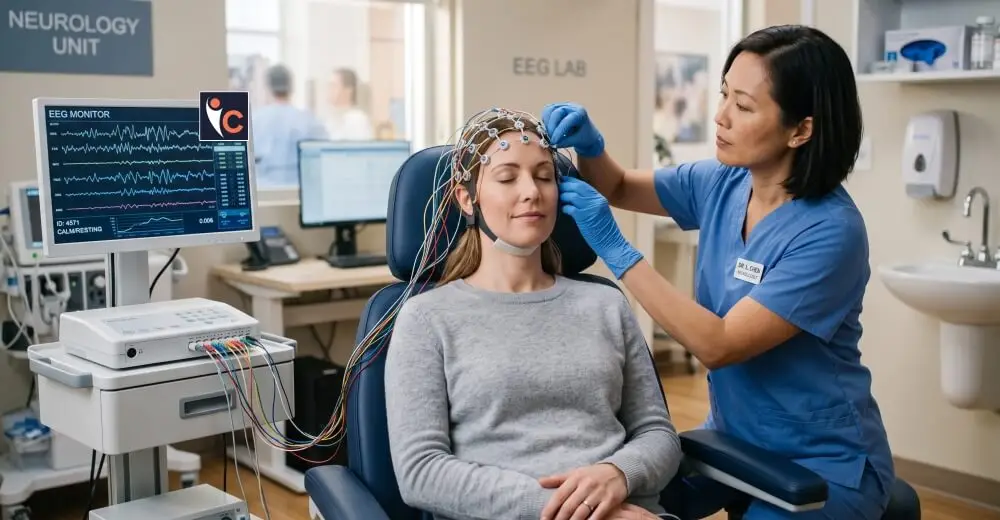
Pictures show structure. Other tests show behavior. Some record the brain’s electrical activity, and others measure how quickly a nerve passes a signal to a muscle. A scan can look normal while function is clearly off, so both kinds of information are needed. Innovative neurological care treats each result as one piece of a larger puzzle rather than a final answer on its own.
Using Data to Support Diagnosis
Hospitals hold huge amounts of information, and computer programs can sort through it faster than any person. They can flag patterns that a tired eye might skip. That is useful, but it has limits. A program cannot sit across from a worried patient or notice hesitation in a voice. The physician stays responsible for the decision, and the best use of software is as a second set of eyes.
Bringing Specialists Together
Hard cases rarely belong to one doctor. A neurologist may consult a radiologist about an odd shadow, a lab specialist about a blood result, and a primary care physician who has known the patient for years. When these people talk to each other, answers arrive sooner. Innovative neurological care rests on that kind of cooperation, and patients feel the benefit even if they never hear the conversations.
Making Patients Part of the Process
Diagnosis is not something done to a person. It works better as a shared effort. Patients who keep simple notes about their symptoms, such as when they began, how long they lasted, and what seemed to trigger them, give the doctor something solid to work with. Memory is unreliable, especially when a person is anxious. A few written lines can save a lot of time.
Doctors, for their part, should explain what they are looking for and why. Patients who understand the reasoning behind each test tend to feel calmer and more willing to follow through.
Finding Neurological Conditions Early
Timing matters. Many neurological conditions respond best when treatment begins early, before damage builds. Better testing and closer follow-up make early detection more realistic than it used to be. That is one of the strongest reasons to support innovative neurological care, since an earlier answer often means more independence later in life.
The Future of Neurological Care
Tools will keep getting sharper, and research will keep adding to what is known. Care is likely to become more personal, fitted to the individual rather than the average patient. Still, the basics will hold. People want to be listened to, taken seriously, and told the truth in plain words. Innovative neurological care works best when it keeps those basics at the center.
Anyone living with symptoms that have no explanation should consider seeing a qualified neurologist. Waiting rarely helps. With innovative neurological care becoming more available, the road from confusion to clarity is getting shorter, and that is welcome news for patients everywhere.