Advancing Neurological Wellness
The brain runs everything. It handles thoughts, movement, mood, and memory without asking for credit. Most people give it very little attention until something feels off. A headache lingers longer than it should. Familiar words begin to slip away. A hand shakes for no clear reason. That is usually when the search for answers begins, and it is where neurologists enhancing brain care enter the picture. They spend their careers studying the nervous system so that patients do not have to face these worries alone.
Listening to the Patient First
A neurologist is a doctor who focuses on the brain, the spinal cord, and the nerves. The first step is listening. They want to know when symptoms began, how they have changed, and how daily life has been affected. They watch how a patient walks, speaks, and responds before deciding whether tests are needed. The aim is to find the cause, not just quiet the symptom. Many nervous system problems look alike from the outside, so sorting them apart takes experience and patience. That is a big reason why neurologists enhancing brain care matter so much in practice.
The Importance of Early Detection
Many brain conditions arrive slowly. A small change in sleep, balance, or mood is easy to brush aside, and people often blame stress or age. But early attention can open up more treatment choices and help protect independence for longer. Neurologists are trained to notice patterns that a busy person might miss. When something feels different, saying so out loud is a sensible first step.
Supporting Patients With Long-Term Conditions
Some neurological conditions never fully go away. Living with them means regular visits, small adjustments, and a great deal of learning along the way. A neurologist becomes a steady guide through that process. They track how treatment is working, change course when needed, and explain what may come next. For many families, that steady relationship is worth as much as any prescription. Instead of puzzling over a confusing diagnosis late at night, they have someone who can answer questions. This long view is a key part of how neurologists enhancing brain care and improve everyday life, not just test results.
Combining Medical Technology with Personal Care
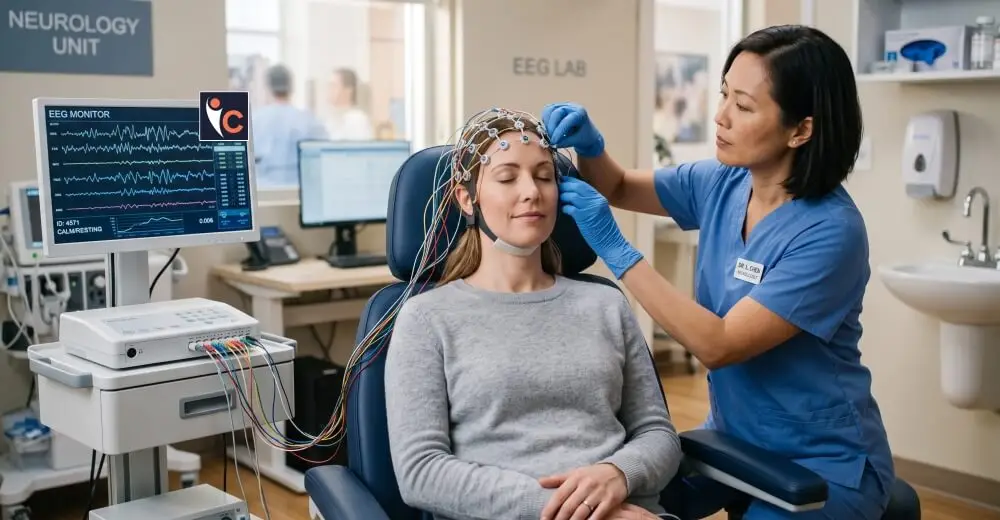
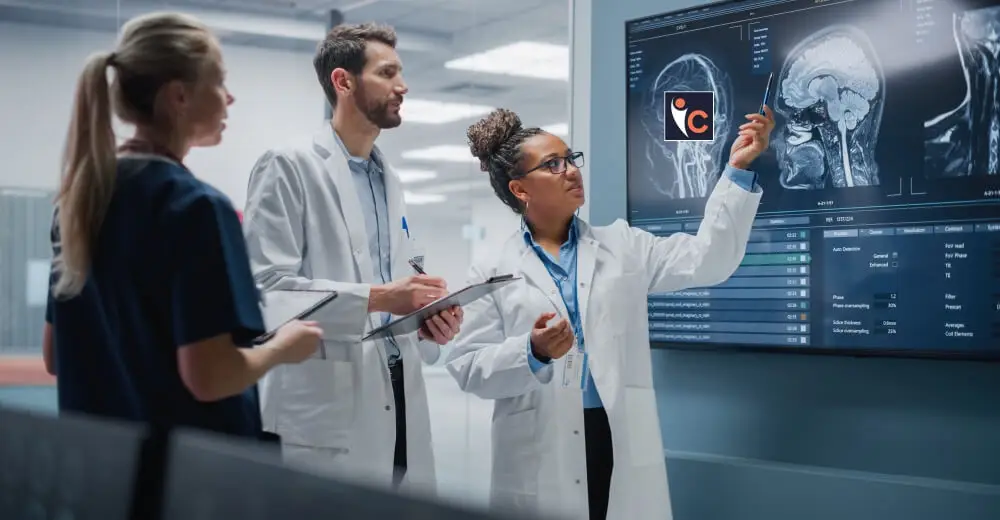
Medicine now has remarkable ways to look at the nervous system. Detailed imaging shows the structure of the brain, and other tests measure electrical signals in the brain and nerves. These tools can confirm a diagnosis and shape a treatment plan. But a scan cannot talk with a patient. It cannot notice worry in someone’s voice, or that a symptom appears only at certain times of day. The neurologist ties all of that together. Test results matter, but they only make sense when placed in the context of a real person’s life.
Caring for the Whole Person
Brain conditions rarely stay in one corner of life. They can affect sleep, relationships, work, and confidence. Good care takes all of that seriously. Neurologists often team up with primary care doctors, therapists, and other specialists so that nothing important is overlooked. When neurologists enhancing brain care work as part of a team like this, patients receive support that goes well beyond a single appointment or a single medicine.
Supporting Families and Caregivers
A neurological diagnosis lands on the whole household. Partners, children, and friends often carry a heavy emotional and practical load. Neurologists help by explaining the condition in plain language, preparing families for what may change, and pointing them toward further help. Honest and kind communication lowers fear. Families who understand what is happening tend to make calmer decisions and feel less alone. In that sense, neurologists enhancing brain care also look after the people standing beside the patient.
Everyday Habits for Better Brain Health
Brain care is not only about treating illness. Neurologists also talk about keeping the brain healthy over the long run. Regular movement, enough sleep, balanced meals, time with other people, and good management of other health problems all play a part. So does keeping the mind busy with new challenges. None of this is complicated, but it adds up over the years. By sharing practical advice, neurologists enhancing brain care and inviting people to take an active role in their own wellness instead of waiting for trouble.
The Future of Neurological Care
The outlook is encouraging. Better tools, deeper knowledge, and wider public interest in neurological health are pushing the field forward. People talk about the brain more openly than they once did, and that openness helps those who need care to come forward sooner. As awareness grows, the role of neurologists enhancing brain care will only become more valuable.
Anyone dealing with a neurological concern, or simply hoping to protect long-term health, can start with a visit to a qualified neurologist. Their knowledge, patience and steady support help people live fuller lives. In the end, that is the true measure of what neurologists’ enhanced brain care brings to modern medicine.