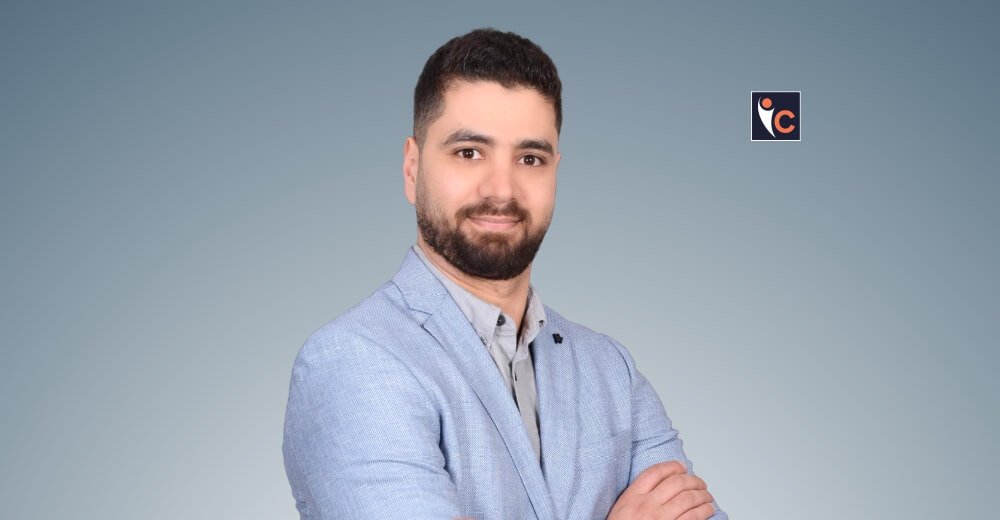
The path to neurology is rarely linear, and for Dr. Ibrahim Krenawi, it began with an enduring curiosity about the human brain as a complex system. His interest in system operations, together with their concrete expression through symptoms, led him to choose a field where different cases produce distinct diagnostic results. This academic work developed into a vocational path that required him to possess both analytical skills and enduring determination to succeed.
He is now serving as a Consultant Neurologist at Ain Alkhaleej University Hospital because he has dedicated himself to mastering intricate medical knowledge while delivering compassionate treatment to all patients. His early fascination matured into a career that combines ongoing education with extensive clinical experience and his ability to see patterns that others do not. His current position at work represents the outcome of his professional journey because he has dedicated himself to mastering nervous system functions to create better outcomes for all people who depend on these systems.
Let’s delve into world of neurological innovation and discover how Dr. Krenawi is shaping the future of patient-centered care!
The Intellectual Journey: What Sparked a Career in Neurology
Dr. Krenawi’s journey into neurology was never arbitrary. Rather, it emerged from a deep fascination with the field’s inherent complexity, the intricate interconnections that exist within the human nervous system, where a single symptom might trace its origin through multiple pathways, and where genuine diagnostic expertise demands the ability to link seemingly disparate clinical presentations to underlying neurological disorders. This intellectual engagement provides the daily impetus that fuels his professional dynamism.
“Neurology, as a rapidly evolving discipline, continues to surprise even its most seasoned practitioners with discoveries that fundamentally reshape our understanding of the human brain,” he says. For him, this constant state of scientific discovery represents not a challenge to overcome, but an opportunity to refine his practice and contribute meaningfully to his field.
Multifaceted Excellence: Beyond Clinical Diagnosis
At Ain Alkhaleej University Hospital, Dr. Krenawi has assumed a multifaceted role that extends far beyond the traditional boundaries of clinical neurology. While he dedicates significant effort to diagnosing and treating a diverse array of neurological conditions, from common presentations to complex, multisystem disorders, his responsibilities encompass equally important dimensions of medical practice. He actively mentor’s medical students and practitioners, recognizing that the future of neurological care depends on cultivating the next generation of skilled clinicians.
Perhaps equally significant, he facilitates collaborative team meetings designed to break down silos between departments and foster an environment where collective expertise enhances patient outcomes. Yet these professional responsibilities find their true meaning in his engagement with patients’ families, where communication becomes therapeutic.
Redefining Clinical Excellence: A Patient-Centered Philosophy
This comprehensive approach to his role reflects Dr. Krenawi’s philosophy of clinical excellence. For him, excellence transcends the technical aspects of diagnosis and treatment. Rather, it encompasses a deep understanding of patient compliance, the ability to establish meaningful connections with patients based on thorough analysis of clinical presentations, and the diagnostic acumen to identify disorders using minimal investigations within compressed timeframes.
In contemporary healthcare environments where efficiency pressures mount constantly, his approach stands as a counterbalance, demonstrating that thoughtful analysis and genuine patient connection need not sacrifice efficiency but rather enhance it by reducing unnecessary interventions and building therapeutic alliances that improve adherence to treatment protocols.
Leading Through Collaboration: A Modern Approach to Medical Leadership
As a recognized leader within his field, Dr. Krenawi demonstrates a leadership philosophy rooted in analytical rigor and collaborative engagement. “My approach to decision-making explicitly incorporates thorough clinical analysis combined with open exchange of ideas among colleagues,” he expresses. Rather than wielding authority unilaterally, he fosters an environment where junior colleagues feel empowered to contribute their perspectives, knowing that this collaborative framework will ultimately strengthen clinical decisions.
This mentorship-oriented approach extends throughout his professional environment, where he actively guides colleagues through complex cases while encouraging independent thinking and intellectual growth. Such leadership models are increasingly recognized as essential in modern healthcare, creating environments where clinicians feel supported rather than merely supervised, fostering greater job satisfaction and improved clinical outcomes.
Navigating Regional Challenges: Medication Shortages and Patient Awareness
Nevertheless, Dr. Krenawi remains keenly aware of significant challenges that confront neurological practice across the Middle East healthcare landscape. The region faces a persistent shortage of specific neurological medications, a constraint that forces clinicians to make difficult therapeutic choices and sometimes compromise on ideal treatment protocols.
Beyond pharmaceutical limitations, however, he identifies a more fundamental challenge: widespread patient and public misunderstanding regarding neurological conditions. “Many individuals fail to recognize that neurological disorders, like their endocrine or cardiovascular counterparts, often represent chronic conditions requiring ongoing pharmacological management,” he says. This knowledge gap becomes particularly problematic when patients hesitate to accept neurological diagnoses or resist long-term medication regimens, undermining therapeutic efficacy.
Dispelling Myths: The Educational Mission in Modern Neurology
Compounding these challenges, deeply ingrained myths persist regarding neurological and psychopharmaceutical medications. Patients frequently perceive these medications as inherently harmful, addictive, or dangerous, misconceptions that Dr. Krenawi addresses through patient education as an integral component of his clinical practice. “Neurological medications, when prescribed appropriately and monitored carefully, provide safe and effective long-term therapeutic options that substantially improve quality of life,” he emphasizes.
“This educational mission represents as significant a clinical responsibility as prescribing medications themselves,” he recognizes. By dispelling myths and building understanding, he helps patients transition from apprehension and resistance to informed acceptance of their treatments, fundamentally improving outcomes.
Staying at the Forefront: Continuous Learning in a Rapidly Evolving Field
Navigating such a rapidly evolving medical landscape while simultaneously maintaining the highest standards of patient care requires intentional strategies for continuous learning. Dr. Krenawi approaches this challenge through multiple channels: he maintains voracious engagement with medical literature, consistently reading substantive texts that explore complex neurological concepts; he tracks evolving clinical guidelines and emerging research findings through systematic review of peer-reviewed publications; and he actively participates in clinical research endeavors that contribute novel insights to the field.
This commitment to evidence-based practice, combined with research engagement, allows him to maintain current knowledge while simultaneously generating insights that advance collective understanding. Rather than remaining a passive consumer of medical information, he positions himself as an active contributor to the evidence base that guides neurological practice globally.
Milestones of Achievement: Recognizing Progress on the Path to Excellence
When reflecting on career achievements, Dr. Krenawi identifies milestones that reveal his values and aspirations. His acceptance into residency training in neurology during his first year, a goal he had long pursued, stands as a deeply meaningful marker. This achievement represented not merely professional advancement, but validation of his commitment to the field and his suitability to join its ranks.
Equally significant, he holds considerable pride in obtaining board certification in neurology, a credential that requires rigorous examination and demonstrates mastery of the field’s knowledge base. He recognizes these achievements as stepping stones on a longer journey towards excellence rather than terminal destinations.
Balancing Act: Integrating Professional Passion with Personal Fulfillment
Paradoxically, one of the greatest challenges facing high-impact medical professionals involves maintaining equilibrium between professional demands and personal well-being. Dr. Krenawi addresses this challenge through an approach that fundamentally reframes work-life balance. Rather than viewing career and personal life as competing domains requiring careful rationing of time and energy, he integrates his passion for neurological practice with his commitment to nurturing meaningful relationships, both with patients and beyond the professional sphere.
This integration creates a synergy where professional fulfillment and social connection reinforce rather than undermine each other. When work feels intrinsically fulfilling and connected to one’s values, it ceases to function as an external obligation competing for limited personal resources. Instead, it becomes a satisfying component of a well-rounded existence. This perspective offers wisdom not merely for physicians but for all knowledge workers navigating the demands of contemporary professional life.
Mentoring the Next Generation: Advice for Aspiring Neurologists
For young physicians contemplating careers in neurology, Dr. Krenawi offers counsel rooted in his own trajectory. “True mastery in the field comes from complete immersion, going beyond passive learning to build deep knowledge through extensive reading, while clinical observation sharpens the eye to recognize patterns and subtle diagnostic clues,” he advises.
Continuous analysis of clinical presentations strengthens diagnostic reasoning and builds the intellectual flexibility essential for navigating complex cases. “Neurology remains a vast and intricate field; professional success emerges from a profound understanding of its details rather than superficial familiarity with broad principles,” he stresses. This message that excellence requires depth, engagement, and intellectual commitment provides a refreshing contrast to contemporary cultural emphasis on rapid achievement and abbreviated learning curves.
Charting the Future: Professional Aspirations and Field Advancement
Looking toward the future, Dr. Krenawi articulates professional aspirations that balance personal commitment with broader field advancement. He remains committed to providing diligent, thoughtful care to his patients while continuously striving for excellence in each clinical endeavor. “Beyond individual patient care, however, the responsibility to contribute to the neurology field more broadly through research and the provision of supportive, evidence-based information that advances collective understanding,” he recognizes
These parallel commitments, to individual patients and to the field itself, reflect his recognition that neurological practice transcends the consulting room. True advancement requires clinicians who simultaneously deliver exemplary care while actively working to advance the knowledge base, educate the public, and mentor emerging practitioners.
A Model for Modern Medicine: The Legacy of Excellence
Dr. Ibrahim Krenawi represents a particular species of medical professional increasingly rare in contemporary healthcare: one who pursues excellence with genuine humility, who combines intellectual rigor with compassionate patient engagement, and who recognizes that individual clinical triumphs carry wider implications for how societies understand and address neurological disorders.
His work at Ain Alkhaleej University Hospital extends beyond diagnostic accuracy and treatment efficacy, reaching into the realm of public understanding and professional education. In an era where neurological conditions impose ever-increasing burdens on healthcare systems globally, such a comprehensive commitment to advancing the field through clinical excellence, patient education, and professional mentorship represents exactly the form of leadership that the Middle East and the broader medical community require.