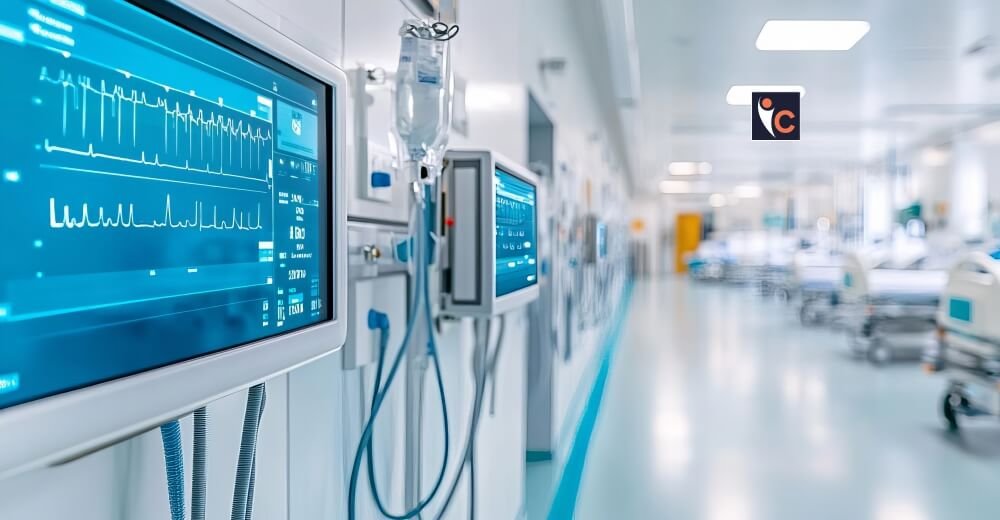
Technology in Healthcare
Walk into any modern healthcare facility, and the difference from even a decade ago is immediately obvious. Paper records have given way to digital systems. Communication between departments happens in real time. Diagnostic tools feed data directly into platforms that clinicians can pull up from anywhere in the building. This transformation did not happen on its own; it came from deliberate investment in medical IT solutions that have genuinely reshaped how care gets delivered, managed, and experienced by patients and providers on both sides of the relationship.
The question is no longer whether technology belongs in healthcare. It clearly does. The more pressing question is how to use it in ways that actually make a difference.
Bringing Healthcare Information Together
One of the most persistent frustrations in healthcare has always been fragmentation. A patient moves between a primary care physician, a specialist, a diagnostic center, and a hospital, and historically, the information generated at each stop did not reliably follow them. Records went missing, tests got repeated unnecessarily, and care teams made important decisions without the full picture sitting in front of them.
Medical IT solutions address this directly by building connected environments where information moves where it needs to go, when it needs to get there. When a clinician can access a complete and current patient history at the exact moment they need it, the decisions that follow are better grounded. Duplicate testing drops. Errors rooted in incomplete information become less frequent. And patients stop feeling like they are starting from scratch every time they walk into a different office. That connectivity is one of the most meaningful contributions technology has made to how healthcare actually functions day to day.
Supporting Clinicians with Smarter Data
Clinicians make genuinely complex decisions under real pressure every single day. The quality of those decisions depends heavily on what information is available at the moment they need to act and how clearly it can be read and understood quickly.
Medical IT solutions have expanded both the quality and the speed of that information considerably. Digital records, real-time diagnostic data, medication histories, and alert systems that flag potential interactions or unusual patterns all contribute to a clinical environment where decisions rest on more complete and more current information than was ever realistic before.
None of this replaces clinical judgment. What it does is give experienced practitioners a sharper and more complete picture to work from. The result is care that is not just faster but more precise in ways that matter directly to patient outcomes.
The Link Between Efficiency and Quality Care
Healthcare organizations are large and complicated operations. Scheduling, billing, inventory management, staffing, and compliance tracking, the administrative side of running a healthcare facility is enormous, and inefficiency anywhere in that machinery has real consequences for the people receiving care.
Medical IT solutions bring structure and intelligent automation to many of these processes in ways that reduce the burden on clinical staff and allow resources to flow where they are most needed. When scheduling systems are properly integrated, wait times come down. When billing runs cleanly, financial stability holds, and resources stay directed toward patient care rather than plugging administrative gaps. When supply inventory is tracked accurately, the right materials are available when and where they are needed.
These gains can seem removed from the patient experience, but they are not. A well-run organization consistently delivers better care than one drowning in operational friction.
Strengthening Trust Through Data Protection
Digitizing healthcare creates genuine benefits, but it also creates responsibilities that carry serious weight. Patient data is among the most sensitive information in existence, and the systems holding it attract persistent and sophisticated attention from people looking to exploit it.
Any honest approach to medical IT solutions has to include a sustained and serious commitment to protecting that data. Encryption, access controls, regular system audits, staff training, and incident response planning are not one-time efforts; they are ongoing operational priorities that need to be treated as such. Organizations that handle security well treat it as part of how they operate, not as a box to check during an accreditation review.
The Road Ahead
The pace of change in healthcare technology shows no sign of slowing. Organizations that invest thoughtfully in medical IT solutions today are building the foundation that will allow them to move with new capabilities as they emerge in diagnostics, remote monitoring, data analysis, and care coordination.
Healthcare systems that approach this seriously position themselves to deliver care that is safer, more efficient, more accessible, and more responsive to the people depending on them. That is ultimately a patient care story, and technology is how it gets told.